Ensuring fire safety in commercial buildings is not just a regulatory necessity; it is a core responsibility for every property owner, manager, and business operator. Fires in commercial spaces can lead to devastating consequences, from loss of life to massive financial damages, reputational harm, and even legal repercussions. A strong focus on commercial fire safety is vital for protecting people, property, and business continuity. By embracing proactive fire prevention tips and implementing comprehensive facility safety protocols, businesses can mitigate risks and build safer environments for employees, customers, and visitors.
Conduct Regular Fire Risk Assessments
A fire risk assessment is the foundation of a solid fire safety strategy. It identifies potential fire hazards, evaluates who might be at risk, and outlines the necessary actions to eliminate or control these risks. For commercial properties, this should not be a one-time task but an ongoing process that evolves with changes in occupancy, layout, equipment, or usage of the space.
Professional fire risk assessors or trained internal safety officers should review all aspects of the facility, including electrical systems, storage of flammable materials, heating and cooling systems, and escape routes. These assessments help prioritize hazards that could ignite a fire or hinder evacuation. Once risks are identified, businesses should promptly implement mitigation measures such as relocating combustibles, repairing faulty wiring, or upgrading outdated fire alarms.
In many regions, regular fire risk assessments are legally required, and failure to conduct them can result in penalties. More importantly, a thorough assessment supports a culture of accountability and prevention within the organization. Documenting findings and actions taken also provides valuable insights in the event of inspections or insurance claims.
Install and Maintain Fire Protection Systems
Fire protection systems are the technological backbone of any commercial fire safety strategy. These include fire alarms, smoke detectors, fire extinguishers, sprinkler systems, and emergency lighting. Each of these systems plays a crucial role in either detecting fires early or minimizing their impact before emergency responders arrive.
It is essential not only to install these systems but also to maintain them according to regulatory standards and manufacturer recommendations. Fire alarms and detectors should be tested regularly, with batteries and sensors replaced as needed. Sprinkler systems must be inspected to ensure they are unobstructed and functioning properly. Fire extinguishers should be accessible, clearly labeled, and suited for different fire types, such as electrical or chemical fires.
Facilities should also keep records of inspections and maintenance activities. These documents can be critical during audits and serve as proof of due diligence. Additionally, businesses should engage certified professionals for system servicing to ensure compliance with local fire codes and national safety standards.
Train Employees in Fire Safety Procedures
Even the best fire safety systems are only effective if the people within the building know how to respond in an emergency. Employee training is a central component of fire prevention tips that every commercial property should adopt. All staff members should be familiar with fire evacuation procedures, the location of emergency exits, and how to use firefighting equipment safely.
Fire safety training should begin with onboarding and be reinforced through regular drills and refresher courses. These drills help employees act swiftly and calmly in real-life scenarios, reducing panic and confusion. Specialized training should be provided to fire wardens or designated safety officers responsible for coordinating evacuations and ensuring everyone is accounted for.
Moreover, businesses should create and display clear fire action notices in strategic locations, such as break rooms, reception areas, and near exits. These signs should outline key actions to take if a fire is discovered or the alarm sounds. Empowering employees with knowledge is one of the most effective ways to foster a proactive facility safety culture.
Ensure Clear and Accessible Emergency Exits
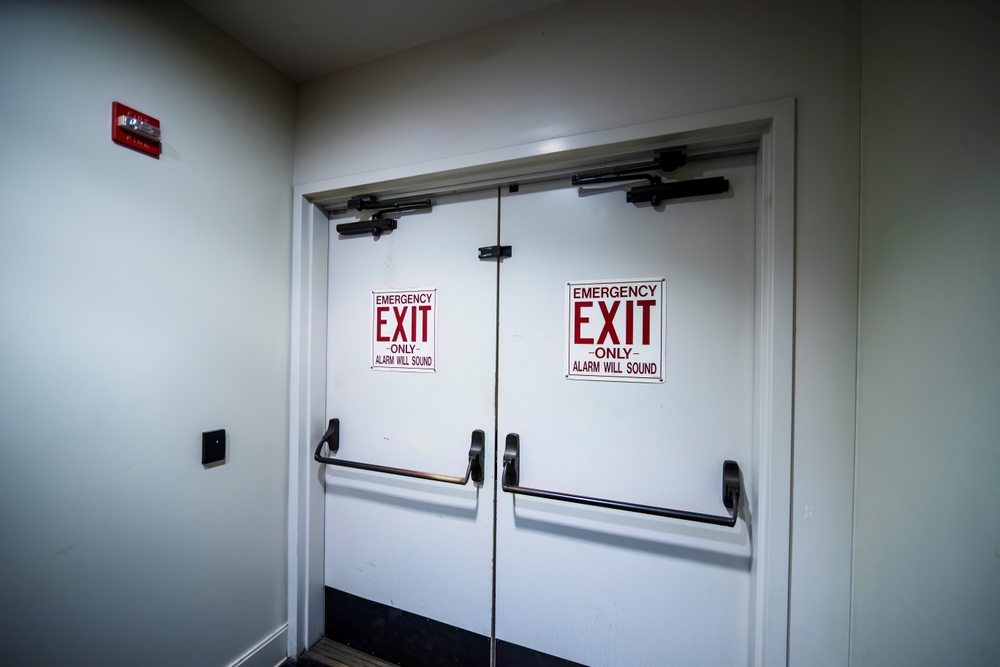
In a fire emergency, every second counts. Emergency exits must be easy to locate, unobstructed, and functional at all times. Blocked or locked exit doors can turn a manageable fire situation into a tragic incident. For this reason, regular checks of all exit routes are vital.
Exit signage should be illuminated and visible even in smoke or low-light conditions. Emergency lighting should activate automatically in the event of power failure, guiding occupants to safety. In multistory buildings, stairwells must remain free of clutter and be equipped with handrails and fire-resistant doors.
Facility managers should ensure that all exit doors can be opened from the inside without keys or complex mechanisms. Panic hardware can facilitate quick exits while maintaining building security during normal operations. Periodic walkthroughs can help identify and address issues such as blocked paths, damaged signage, or broken lighting systems.
Additionally, businesses should have a well-documented evacuation plan that includes designated assembly points, roles for staff during evacuations, and procedures for assisting individuals with disabilities. Keeping these routes and plans current can significantly enhance commercial fire safety.
Store Flammable Materials Safely
Improper storage of flammable or combustible materials is a leading cause of fires in commercial spaces. From cleaning chemicals to packaging materials, many everyday items can become fire hazards if not handled correctly. Facilities must have strict protocols in place to manage such materials and reduce the risk of ignition.
All flammable liquids and gases should be stored in approved containers and kept away from heat sources, electrical panels, and open flames. Designated storage areas should be well-ventilated and clearly labeled with hazard signage. In some industries, it may be necessary to install explosion-proof cabinets or gas detection systems to meet safety requirements.
Housekeeping also plays a crucial role in fire prevention. Keeping storage areas clean and organized minimizes the accumulation of dust, paper, and other materials that can fuel a fire. Waste disposal routines should include regular removal of combustible trash and safe handling of oily rags or chemical waste.
By training staff on proper storage procedures and enforcing clear guidelines, commercial properties can maintain a safer environment and significantly reduce the likelihood of fire-related incidents.
Conclusion
Commercial fire safety is a responsibility that demands consistent attention and informed action. Whether managing a retail outlet, office building, warehouse, or industrial site, implementing a strong fire safety plan can protect lives, assets, and business operations. From conducting detailed risk assessments to maintaining critical equipment, training employees, ensuring clear exits, and storing hazardous materials properly, every step plays a part in creating a safer workplace.
By incorporating these fire prevention tips into daily operations and cultivating a proactive safety culture, businesses demonstrate their commitment to facility safety and operational resilience. Fire emergencies may strike unexpectedly, but preparation, awareness, and systems in place can make all the difference in minimizing harm and recovering swiftly.
Need a Facility Services Provider Near You?
We’re here to help protect what matters most to you—your people, your information, and your environment. At The Foster Family Companies, our team is passionate about delivering reliable fire and life safety systems, secure document destruction, and spotless janitorial services tailored to your unique needs. Whether you’re looking to safeguard your facility, maintain confidentiality, or ensure a clean and healthy workplace, we’ve got the experience and commitment to get the job done right. Reach out to us today and let’s build a safer, cleaner future together.
Fire safety education is one of the most essential life skills we can teach children. Fires can happen unexpectedly, and preparing kids to respond quickly and appropriately can make a life-saving difference. While the idea of discussing emergencies with children may seem daunting, especially when trying to avoid fear or anxiety, there are effective and enjoyable methods to turn this topic into something both engaging and memorable. By making safety education playful, imaginative, and hands-on, children not only retain information better but also feel more empowered in emergency situations.
Introducing the concept of fire safety early in life helps create habits that stick. Much like learning to look both ways before crossing the street, understanding how to react when hearing a fire alarm or seeing smoke becomes a second nature response when reinforced through consistent, age-appropriate teaching. Parents, caregivers, and educators all play a key role in shaping this knowledge through activities that encourage learning by doing. From storytelling and games to classroom role-play and home safety checks, there are countless ways to make fire safety part of everyday life without overwhelming young learners.
Engaging Children with Interactive Lessons
One of the best strategies for teaching kids safety is through interactive learning. Passive instruction often fades from memory, but active involvement helps children absorb and remember critical information. Whether at home or in school, kids respond well to lessons that include movement, role-play, and storytelling. Fire safety education benefits greatly from these methods because they simulate real-life scenarios in a controlled, safe environment.
For younger children, storytelling with characters like firefighters or talking animals can be especially effective. Creating a story where the hero practices stop, drop, and roll or calls 911 in an emergency helps build familiarity with these actions. Children can act out parts of the story to reinforce their understanding. For older kids, more structured activities like designing escape plans for a home or classroom can foster problem-solving skills while underscoring the importance of being prepared.
Incorporating art and crafts can also make lessons more hands-on. Drawing a family escape map or making a pretend fire extinguisher out of recycled materials adds a creative angle that keeps children engaged. These projects allow kids to internalize important ideas while having fun, making it more likely they’ll recall what they’ve learned when it counts.
Teaching Kids Safety Through Play
Play is one of the most natural ways for children to learn. When we embed important messages in games, songs, and imaginative play, we create a powerful bridge between learning and memory. This approach is particularly useful for fire safety education, where the stakes are high but the lessons need to feel safe and approachable.
Board games that involve moving through rooms while identifying fire hazards can help kids recognize dangers in a non-threatening way. Pretend play where children take turns being firefighters or emergency callers gives them the opportunity to practice responses in a relaxed environment. This kind of role-play not only makes the material more relatable but also boosts confidence.
Songs and rhymes can also play a role in reinforcing lessons. Just as the ABCs are easier to learn through music, fire safety tips like “Get Low and Go” or “Stop, Drop, and Roll” become more memorable when set to a tune. Repetition is key, and the more kids hear and act out these concepts, the more instinctive their responses become.
Games with reward systems, such as collecting badges for identifying exits or answering quiz questions, introduce a sense of achievement that motivates continued participation. Children learn best when they are having fun, and this approach ensures that safety messages are absorbed in a positive and encouraging context.
The Role of Safety Drills for Kids
While creative lessons and playful activities are important, structured practice through safety drills is equally crucial. Drills provide a framework for children to apply what they’ve learned in a real-time setting. They bridge the gap between theory and action, turning knowledge into instinct.
Regularly practicing fire drills at home and school reinforces quick thinking and calm behavior. Children learn where to go, how to exit safely, and the importance of not hiding during a fire. Drills also offer an opportunity to correct misconceptions and update plans as needed. Consistency helps children become familiar with the process, reducing panic in actual emergencies.
In a school setting, drills should be coordinated in a way that keeps children informed but not alarmed. Teachers can explain the purpose of the drill in advance and walk through the steps before doing a full run-through. At home, involving kids in creating the family’s escape plan adds a sense of ownership and ensures they know what to do and where to go.
Even outside of formal drills, reinforcing quick response habits is key. Practicing how to crawl under smoke, feel a door for heat, or call for help on a pretend phone builds practical muscle memory. These exercises should be revisited frequently to keep the lessons fresh. Just like practicing a sport or instrument, routine fire safety drills for kids lead to better performance when it matters most.
Creating a Culture of Safety at Home and School
Fire safety is not a one-time lesson. It should be part of a broader culture of preparedness both at home and in educational settings. When children consistently hear and see safety habits modeled by adults, they’re more likely to adopt them themselves. This includes checking smoke alarms regularly, maintaining clear exits, and keeping matches and lighters out of reach.
Parents can include their children in simple safety tasks such as testing the alarm each month or choosing a meeting spot outside the house. These moments provide ongoing teaching opportunities without feeling like formal instruction. Similarly, educators can integrate safety messages into daily classroom routines by using brief safety reminders during transitions or highlighting safety-related books and themes.
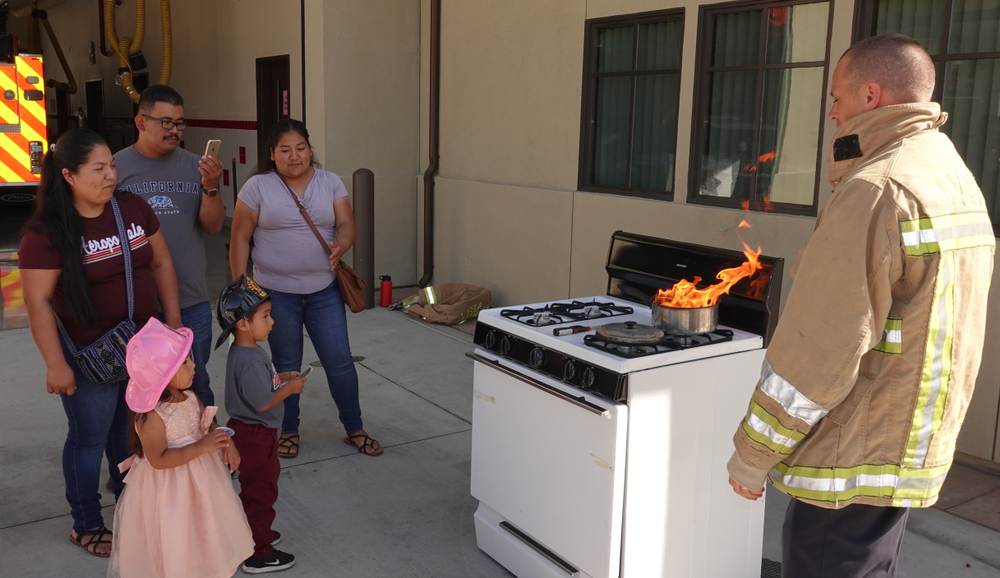
Partnership between home and school is vital. Teachers can send home materials or encourage families to practice escape routes together. Schools might invite local firefighters for demonstrations or organize fire safety weeks with themed activities. These events not only raise awareness but also show kids that learning safety is a community effort.
When fire safety becomes a shared value across a child’s environments, it reinforces its importance. Kids begin to view safety not just as a rule but as a responsibility they carry with them. Encouraging questions, recognizing responsible behavior, and celebrating safety awareness all contribute to a lifelong respect for these crucial practices.
Conclusion
Fire safety education doesn’t have to be intimidating or dull. By embracing creativity, interactivity, and consistency, we can make teaching kids safety a positive and empowering experience. Children thrive when learning feels like play, and when they are given chances to practice, explore, and engage with real-world ideas in age-appropriate ways.
From storytelling and games to home drills and classroom exercises, the key is to keep the lessons frequent and fun. Teaching children how to recognize hazards, respond to alarms, and act quickly can give them the confidence to stay safe under pressure. When schools and families work together to make safety education a priority, children benefit from a well-rounded understanding that will stay with them for life.
Ultimately, the goal is to raise children who are not only aware of fire risks but also prepared to respond effectively. With the right mix of play and practice, fire safety education becomes a valuable part of childhood learning, one that saves lives and builds a safer future for everyone.
Need a Facility Services Provider Near You?
We’re here to help protect what matters most to you—your people, your information, and your environment. At The Foster Family Companies, our team is passionate about delivering reliable fire and life safety systems, secure document destruction, and spotless janitorial services tailored to your unique needs. Whether you’re looking to safeguard your facility, maintain confidentiality, or ensure a clean and healthy workplace, we’ve got the experience and commitment to get the job done right. Reach out to us today and let’s build a safer, cleaner future together.
In an era marked by increasing urbanization, climate change, and the rapid expansion of infrastructure, fire hazards have become more prevalent and potentially catastrophic. Whether it’s a commercial high-rise, an industrial plant, or a residential complex, the risks associated with fire incidents have grown in complexity. This makes the importance of fire inspections more critical than ever before. Fires not only threaten property and infrastructure but, more importantly, endanger human lives and livelihoods.
The modern world relies heavily on electronic devices, advanced machinery, and energy systems, all of which come with their own sets of fire-related risks. From overloaded electrical circuits to flammable materials stored improperly, the causes of fires are varied and sometimes hidden from plain view. That’s where regular safety checks come into play. These inspections serve as the first line of defense, ensuring that fire prevention systems are functioning properly and that buildings comply with evolving safety regulations.
Understanding the Legal and Regulatory Landscape
Regulatory requirements for fire safety inspections have become more stringent in recent years. Government agencies and fire departments around the world are tightening codes and regulations in response to tragic events and lessons learned from past failures. In many jurisdictions, failing to conduct fire safety inspections on schedule is not just negligent; it’s illegal. Non-compliance can lead to heavy fines, shutdowns, and even criminal liability in the event of an incident.
Regular safety checks are not merely box-checking exercises. They are comprehensive evaluations that often cover alarm systems, fire suppression tools like sprinklers and extinguishers, emergency lighting, exit signage, and safe storage practices for flammable materials. More than that, they verify whether the people in a facility are trained and prepared for emergencies. These measures collectively form a legal and ethical framework that ensures the safety of all building occupants.
Moreover, insurance companies are increasingly linking coverage eligibility and premiums to a company’s inspection history and compliance record. Businesses that neglect the importance of fire inspections may find themselves underinsured or without any coverage at all when they need it most. Thus, routine inspections are not only a legal obligation but also a strategic necessity.
The Cost of Complacency
One of the most underestimated aspects of fire safety is the actual cost of complacency. Fires can lead to devastating outcomes that go far beyond property damage. Lives can be lost, communities can be disrupted, and businesses can be wiped out overnight. The economic impact includes the cost of rebuilding, legal settlements, loss of revenue, reputational damage, and increased insurance premiums.
For business owners, this risk is magnified by the increasing complexity of supply chains and operations. A fire at one location can have a ripple effect, halting production, delaying deliveries, and disrupting partnerships. In some cases, regulatory bodies may impose sanctions that restrict a company’s ability to operate until fire safety issues are resolved.
What makes this more tragic is that many of these incidents are preventable. Faulty wiring, blocked exits, expired fire extinguishers, and non-functional alarms are problems that regular safety checks are designed to catch. Without consistent inspections, small issues can go unnoticed until they escalate into full-scale emergencies.
Modern Technology and the Evolution of Fire Inspections
As technology continues to evolve, so too have the methods and tools used in fire inspections. Gone are the days when inspections relied solely on visual assessments and manual documentation. Today, inspectors utilize advanced diagnostic tools, including thermal imaging cameras, IoT-enabled sensors, and digital inspection platforms that provide real-time analytics.
These technologies allow for more precise evaluations and quicker identification of risks. For instance, thermal imaging can detect overheating equipment or hidden hotspots that might otherwise go unnoticed. Digital platforms streamline record-keeping and compliance reporting, making it easier for property owners and safety officers to stay on top of regulatory requirements.
The integration of smart building systems has also transformed how we approach fire safety. Automated alerts, remote monitoring, and data-driven risk modeling help prioritize maintenance and target high-risk areas. But these technologies still require human oversight. That’s why regular safety checks by trained professionals remain essential, serving as the critical bridge between automated systems and real-world safety outcomes.
Building a Culture of Prevention and Responsibility
Perhaps the most overlooked benefit of regular fire inspections is their role in cultivating a culture of safety. When inspections are routine and taken seriously, they set a tone for everyone in the organization. Employees become more aware of their environment, more diligent about reporting hazards, and more prepared to act in an emergency.
Fire safety isn’t just the responsibility of a facility manager or the local fire marshal; it’s a shared duty. Routine inspections encourage communication between departments, clarify roles and responsibilities, and provide training opportunities that strengthen team readiness. Emergency drills, evacuation procedures, and equipment demonstrations often follow these inspections, reinforcing the importance of preparedness.
The benefits of this culture extend beyond fire safety. It contributes to overall operational discipline, fosters accountability, and enhances morale by showing that leadership values the wellbeing of everyone in the building. This proactive mindset can reduce not just fire risks, but also improve general workplace safety.
Conclusion
The importance of fire inspections cannot be overstated. With rising risks, stricter regulations, and the high costs of neglect, regular safety checks are not optional; they are essential. They ensure compliance, protect lives, and safeguard property while enhancing the operational resilience of businesses and institutions.
Fire safety inspections are more than a regulatory requirement. They are a commitment to prevention, responsibility, and community well-being. As technology advances and risks continue to evolve, staying proactive through regular inspections is the most effective way to mitigate danger and maintain peace of mind. Now more than ever, taking fire safety seriously is not just smart; it’s necessary.
Need a Facility Services Provider Near You?
We’re here to help protect what matters most to you—your people, your information, and your environment. At The Foster Family Companies, our team is passionate about delivering reliable fire and life safety systems, secure document destruction, and spotless janitorial services tailored to your unique needs. Whether you’re looking to safeguard your facility, maintain confidentiality, or ensure a clean and healthy workplace, we’ve got the experience and commitment to get the job done right. Reach out to us today and let’s build a safer, cleaner future together.
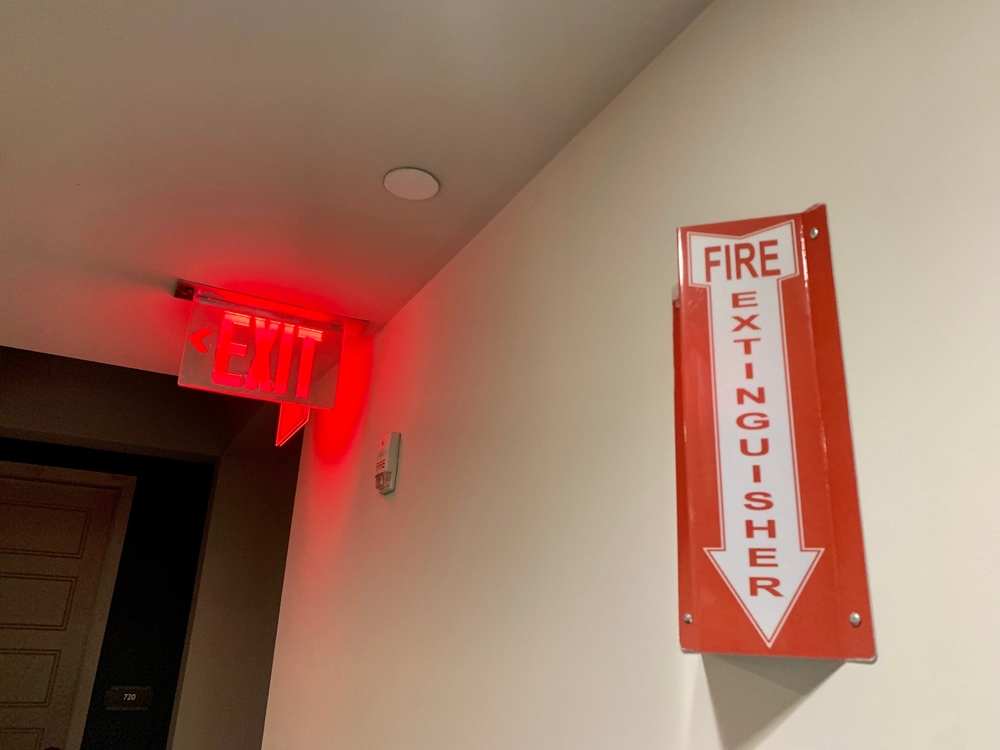
When it comes to protecting lives and property, fire safety is not optional; it’s a necessity. In any facility, whether commercial, industrial, or institutional, having the proper fire safety measures in place can mean the difference between a minor incident and a catastrophic event. The foundation of effective fire safety begins with having the essential fire safety tools readily available and properly maintained. This article explores the critical components of facility fire preparedness and explains how to ensure your facilities are up to standard.
Understanding Fire Risks Within Your Facility
Before identifying the right fire safety equipment, it’s important to understand the specific fire risks present in your facility. Different environments face different threats, and your fire prevention and response strategy should be tailored accordingly. For example, a manufacturing facility that handles flammable chemicals will require more rigorous safeguards compared to a standard office building. Kitchens, server rooms, warehouses, and storage areas all pose unique risks and demand specific attention.
Facility fire preparedness begins with a comprehensive risk assessment. This involves evaluating the layout, identifying combustible materials, examining existing safety protocols, and reviewing past fire incidents (if any). Consulting local fire codes and regulations also helps align your preparation with legal requirements. Once risks are identified, you can begin equipping your facility with the right tools to mitigate those risks.
Fire Extinguishers: Your First Line of Defense
Among all essential fire safety tools, fire extinguishers are the most recognizable and widely used. They are the first line of defense when a fire breaks out, allowing trained personnel to quickly control or eliminate small fires before they spread. However, simply having extinguishers on-site isn’t enough. It’s critical that they are correctly selected, placed, and maintained.
There are different types of fire extinguishers, each suited for specific kinds of fires. Class A extinguishers are designed for ordinary combustibles like paper and wood, while Class B handles flammable liquids such as oil and gasoline. Class C is intended for electrical fires, Class D for metal fires, and Class K for cooking oils and fats. Facilities often require multiple types of extinguishers, depending on the potential hazards present.
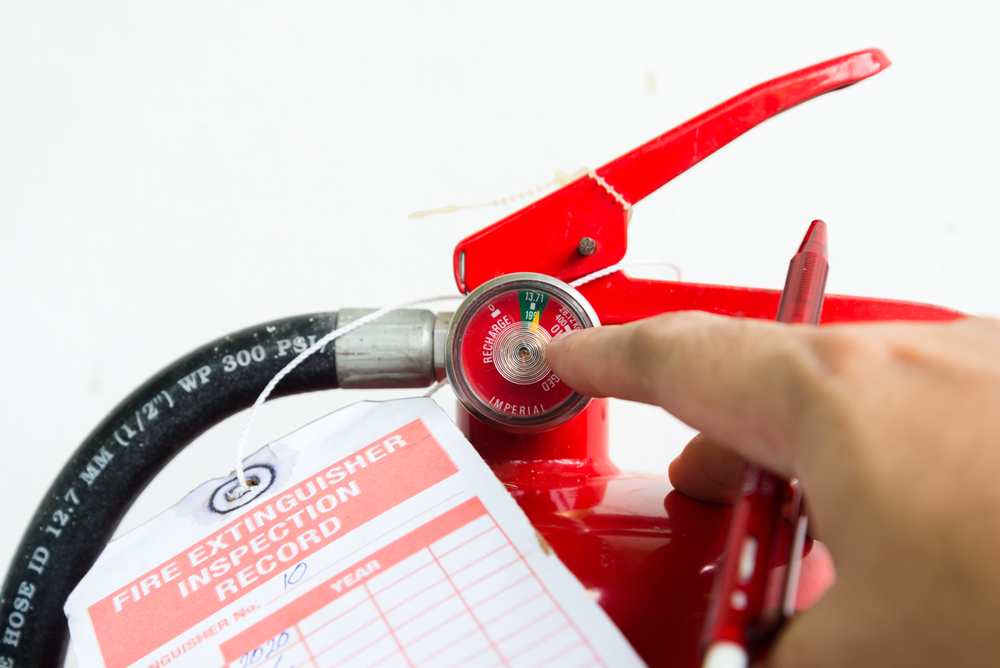
Placement is equally important. Fire extinguishers should be easily accessible, clearly visible, and located near exits, hallways, and high-risk areas. Additionally, they must be inspected monthly and undergo annual professional servicing to ensure they function properly during emergencies.
Fire Alarm and Detection Systems: Alerting When Seconds Count
Time is of the essence in a fire emergency, and early detection can save lives. Fire alarm and detection systems are essential fire safety tools that serve as the facility’s alert mechanism. These systems detect smoke, heat, or flame and immediately notify occupants, giving them time to evacuate. They can also alert emergency services, improving response times and reducing potential damage.
Modern fire detection systems use a combination of smoke detectors, heat detectors, and flame detectors. Smoke detectors are standard in most facilities, while heat detectors are ideal for dusty or humid environments where smoke detectors may produce false alarms. Flame detectors, used in high-risk industrial areas, identify the ultraviolet or infrared light emitted by fire.
For a detection system to be effective, it must be integrated into a central fire alarm system and regularly tested. Facilities should also ensure their alarm systems include both audible and visual signals to accommodate all occupants, including those with hearing impairments. These systems must comply with local fire codes and should be part of every facility’s broader emergency response plan.
Fire Sprinkler Systems: Containing the Blaze
If a fire grows beyond what can be controlled by extinguishers, automated suppression systems like fire sprinklers are crucial for limiting its spread. Fire sprinkler systems are among the most effective tools in facility fire preparedness. They activate automatically when heat from a fire reaches a certain threshold, releasing water to douse the flames and reduce the fire’s intensity.
Sprinkler systems are typically installed throughout a facility, especially in high-risk areas. They are connected to the building’s water supply and are designed to target the location of the fire, not the entire building. This localized response helps prevent water damage while still providing effective fire suppression.
There are different types of sprinkler systems, including wet pipe, dry pipe, deluge, and pre-action systems. Wet pipe systems, where water is constantly in the pipes, are the most common and suitable for most commercial settings. Dry pipe systems are used in unheated buildings to prevent freezing. Deluge systems release water through all heads simultaneously and are used in high-hazard areas. Pre-action systems require two triggers before activation, reducing the chance of accidental discharge.
To ensure their reliability, sprinkler systems must be professionally inspected and tested regularly. Facility managers should follow the National Fire Protection Association (NFPA) standards for maintenance, testing, and recordkeeping. A well-maintained sprinkler system can be the decisive factor in preventing a fire from escalating into a disaster.
Emergency Lighting and Evacuation Plans: Ensuring Safe Egress
Having the best fire detection and suppression systems is essential, but if occupants can’t evacuate safely, facility fire preparedness is incomplete. In a fire, smoke and power outages can make it difficult to see and navigate. Emergency lighting systems are designed to illuminate pathways, exits, and critical areas so people can escape quickly and safely.
These systems include illuminated exit signs, battery-powered lights, and floor-level lighting for visibility in smoky conditions. Emergency lighting must be tested monthly and undergo a full functional test annually to ensure the batteries are charged and the lights operate as intended.
Alongside emergency lighting, a comprehensive evacuation plan is necessary. Every facility should have clearly marked evacuation routes, assembly points, and assigned fire wardens or floor captains. Regular fire drills should be conducted to ensure that everyone knows what to do and where to go in case of an emergency. Signage should be up to date, and all employees should be trained on evacuation procedures during onboarding and through periodic refreshers.
A facility that invests in both the hardware (like lighting) and the human element (training and drills) will be far better prepared to handle fire emergencies safely and efficiently.
Conclusion
Facility fire preparedness isn’t just about checking off compliance boxes; it’s about protecting lives, assets, and business continuity. Implementing and maintaining essential fire safety tools such as fire extinguishers, alarm systems, sprinkler systems, and emergency lighting provides the best chance of minimizing damage and injury during a fire event. But tools alone are not enough. Continuous training, regular inspections, and a culture of safety awareness are equally important.
Facilities must remain proactive, not reactive. Waiting until a fire occurs is far too late. By investing in comprehensive fire safety strategies today, you ensure the wellbeing of your employees, customers, and business for years to come. Fire safety is everyone’s responsibility, and the time to prepare is now.
Need a Facility Services Provider Near You?
We’re here to help protect what matters most to you—your people, your information, and your environment. At The Foster Family Companies, our team is passionate about delivering reliable fire and life safety systems, secure document destruction, and spotless janitorial services tailored to your unique needs. Whether you’re looking to safeguard your facility, maintain confidentiality, or ensure a clean and healthy workplace, we’ve got the experience and commitment to get the job done right. Reach out to us today and let’s build a safer, cleaner future together.