
Essential Fire Safety Equipment: Are Your Facilities Prepared?
When it comes to protecting lives and property, fire safety is not optional; it’s a necessity. In any facility, whether commercial, industrial, or institutional, having the proper fire safety measures in place can mean the difference between a minor incident and a catastrophic event. The foundation of effective fire safety begins with having the essential fire safety tools readily available and properly maintained. This article explores the critical components of facility fire preparedness and explains how to ensure your facilities are up to standard.
Understanding Fire Risks Within Your Facility
Before identifying the right fire safety equipment, it’s important to understand the specific fire risks present in your facility. Different environments face different threats, and your fire prevention and response strategy should be tailored accordingly. For example, a manufacturing facility that handles flammable chemicals will require more rigorous safeguards compared to a standard office building. Kitchens, server rooms, warehouses, and storage areas all pose unique risks and demand specific attention.
Facility fire preparedness begins with a comprehensive risk assessment. This involves evaluating the layout, identifying combustible materials, examining existing safety protocols, and reviewing past fire incidents (if any). Consulting local fire codes and regulations also helps align your preparation with legal requirements. Once risks are identified, you can begin equipping your facility with the right tools to mitigate those risks.
Fire Extinguishers: Your First Line of Defense
Among all essential fire safety tools, fire extinguishers are the most recognizable and widely used. They are the first line of defense when a fire breaks out, allowing trained personnel to quickly control or eliminate small fires before they spread. However, simply having extinguishers on-site isn’t enough. It’s critical that they are correctly selected, placed, and maintained.
There are different types of fire extinguishers, each suited for specific kinds of fires. Class A extinguishers are designed for ordinary combustibles like paper and wood, while Class B handles flammable liquids such as oil and gasoline. Class C is intended for electrical fires, Class D for metal fires, and Class K for cooking oils and fats. Facilities often require multiple types of extinguishers, depending on the potential hazards present.
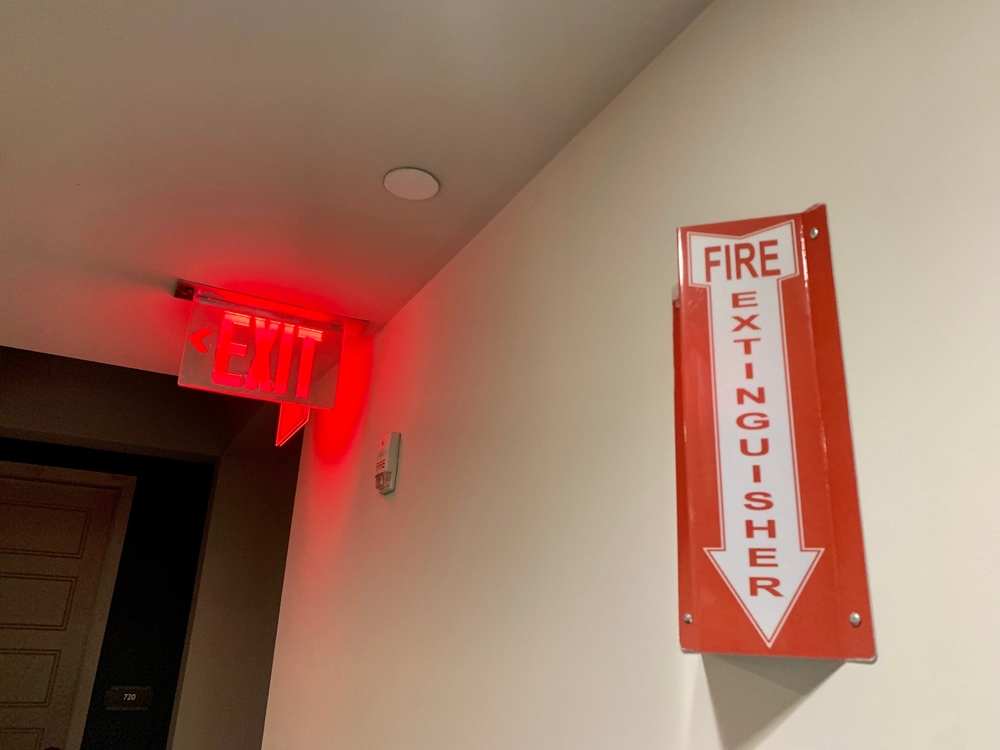
Placement is equally important. Fire extinguishers should be easily accessible, clearly visible, and located near exits, hallways, and high-risk areas. Additionally, they must be inspected monthly and undergo annual professional servicing to ensure they function properly during emergencies.
Fire Alarm and Detection Systems: Alerting When Seconds Count
Time is of the essence in a fire emergency, and early detection can save lives. Fire alarm and detection systems are essential fire safety tools that serve as the facility’s alert mechanism. These systems detect smoke, heat, or flame and immediately notify occupants, giving them time to evacuate. They can also alert emergency services, improving response times and reducing potential damage.
Modern fire detection systems use a combination of smoke detectors, heat detectors, and flame detectors. Smoke detectors are standard in most facilities, while heat detectors are ideal for dusty or humid environments where smoke detectors may produce false alarms. Flame detectors, used in high-risk industrial areas, identify the ultraviolet or infrared light emitted by fire.
For a detection system to be effective, it must be integrated into a central fire alarm system and regularly tested. Facilities should also ensure their alarm systems include both audible and visual signals to accommodate all occupants, including those with hearing impairments. These systems must comply with local fire codes and should be part of every facility’s broader emergency response plan.
Fire Sprinkler Systems: Containing the Blaze
If a fire grows beyond what can be controlled by extinguishers, automated suppression systems like fire sprinklers are crucial for limiting its spread. Fire sprinkler systems are among the most effective tools in facility fire preparedness. They activate automatically when heat from a fire reaches a certain threshold, releasing water to douse the flames and reduce the fire’s intensity.
Sprinkler systems are typically installed throughout a facility, especially in high-risk areas. They are connected to the building’s water supply and are designed to target the location of the fire, not the entire building. This localized response helps prevent water damage while still providing effective fire suppression.
There are different types of sprinkler systems, including wet pipe, dry pipe, deluge, and pre-action systems. Wet pipe systems, where water is constantly in the pipes, are the most common and suitable for most commercial settings. Dry pipe systems are used in unheated buildings to prevent freezing. Deluge systems release water through all heads simultaneously and are used in high-hazard areas. Pre-action systems require two triggers before activation, reducing the chance of accidental discharge.
To ensure their reliability, sprinkler systems must be professionally inspected and tested regularly. Facility managers should follow the National Fire Protection Association (NFPA) standards for maintenance, testing, and recordkeeping. A well-maintained sprinkler system can be the decisive factor in preventing a fire from escalating into a disaster.
Emergency Lighting and Evacuation Plans: Ensuring Safe Egress
Having the best fire detection and suppression systems is essential, but if occupants can’t evacuate safely, facility fire preparedness is incomplete. In a fire, smoke and power outages can make it difficult to see and navigate. Emergency lighting systems are designed to illuminate pathways, exits, and critical areas so people can escape quickly and safely.
These systems include illuminated exit signs, battery-powered lights, and floor-level lighting for visibility in smoky conditions. Emergency lighting must be tested monthly and undergo a full functional test annually to ensure the batteries are charged and the lights operate as intended.
Alongside emergency lighting, a comprehensive evacuation plan is necessary. Every facility should have clearly marked evacuation routes, assembly points, and assigned fire wardens or floor captains. Regular fire drills should be conducted to ensure that everyone knows what to do and where to go in case of an emergency. Signage should be up to date, and all employees should be trained on evacuation procedures during onboarding and through periodic refreshers.
A facility that invests in both the hardware (like lighting) and the human element (training and drills) will be far better prepared to handle fire emergencies safely and efficiently.
Conclusion
Facility fire preparedness isn’t just about checking off compliance boxes; it’s about protecting lives, assets, and business continuity. Implementing and maintaining essential fire safety tools such as fire extinguishers, alarm systems, sprinkler systems, and emergency lighting provides the best chance of minimizing damage and injury during a fire event. But tools alone are not enough. Continuous training, regular inspections, and a culture of safety awareness are equally important.
Facilities must remain proactive, not reactive. Waiting until a fire occurs is far too late. By investing in comprehensive fire safety strategies today, you ensure the wellbeing of your employees, customers, and business for years to come. Fire safety is everyone’s responsibility, and the time to prepare is now.
Need a Facility Services Provider Near You?
We’re here to help protect what matters most to you—your people, your information, and your environment. At The Foster Family Companies, our team is passionate about delivering reliable fire and life safety systems, secure document destruction, and spotless janitorial services tailored to your unique needs. Whether you’re looking to safeguard your facility, maintain confidentiality, or ensure a clean and healthy workplace, we’ve got the experience and commitment to get the job done right. Reach out to us today and let’s build a safer, cleaner future together.