When a facility service provider falls short, the impact can be felt across an entire organization. Missed cleaning schedules, inconsistent maintenance, poor communication, and unexpected costs can disrupt operations and create headaches for business leaders. For procurement officers and facility managers, choosing the right partner is about much more than price.
Facility services play a critical role in maintaining safe, productive, and professional environments. Selecting the right provider helps businesses avoid operational disruptions, control costs, and maintain high standards across their properties. The most common mistakes include focusing solely on price, overlooking experience, failing to verify service capabilities, and neglecting communication standards. Businesses that take a strategic approach to provider selection are more likely to build long-term partnerships that deliver consistent value.
What Business Decision-Makers Should Know
Choosing the wrong provider often leads to inconsistent service quality, unexpected costs, and increased management oversight.
One of the most common facility service errors is prioritizing the lowest bid instead of evaluating overall value and reliability.
Businesses should verify experience, service scope, staffing practices, and communication procedures before signing a contract.
Strong facility service providers act as long-term partners who help improve efficiency, safety, and operational continuity.
Clear expectations, measurable performance standards, and responsive customer service are essential for success.
Facility management affects every aspect of a commercial property. From cleanliness and maintenance to safety and employee satisfaction, the quality of facility services directly impacts daily operations. Businesses that rush the selection process often discover issues only after service begins.
For organizations managing multiple locations, large facilities, or high-traffic environments, the stakes are even higher. A provider that lacks the resources, systems, or expertise to meet expectations can create ongoing challenges that consume valuable time and budget.
At The Foster Family Companies, we understand that selecting a facility services partner is an important business decision. We believe informed decision-making leads to stronger outcomes, better service experiences, and more reliable facility performance.
Common facility service errors often occur when organizations focus on short-term savings instead of long-term value. Businesses that evaluate experience, responsiveness, service capabilities, and accountability are typically better positioned to achieve consistent results.
Important Factors to Consider Before Signing a Service Agreement
Businesses should evaluate facility service providers based on more than pricing alone. A comprehensive review of qualifications, operational capabilities, and customer support can help prevent costly mistakes later.
Experience and Industry Knowledge
Providers with extensive industry experience often have established processes, trained personnel, and proven systems for handling complex facility needs. Experience can be particularly important for specialized environments such as healthcare facilities, manufacturing plants, educational institutions, and multi-site commercial properties.
Ask prospective providers about:
Years in operation
Industries served
Staff training programs
Quality control procedures
Client retention rates
Service Capabilities
Service capabilities should align with both current and future facility requirements. Some providers offer a narrow range of services, which may require businesses to manage multiple vendors.
A comprehensive provider may be able to support:
Janitorial services
Building maintenance
Grounds management
Facility inspections
Specialty cleaning services
Preventive maintenance programs
Understanding the full scope of services can simplify vendor management and improve operational consistency.
Communication and Accountability
Strong communication is often one of the most overlooked selection criteria. Businesses should understand how service requests are handled, how issues are escalated, and how performance is monitored.
Reliable providers typically offer:
Designated points of contact
Regular reporting
Performance reviews
Responsive customer support
Clear service documentation
Local Data and Industry Observations
Facility service expectations continue to rise as businesses place greater emphasis on workplace cleanliness, employee satisfaction, operational efficiency, and risk management. Industry best practices increasingly focus on proactive maintenance, measurable service standards, and transparent communication between providers and clients.
Many organizations have moved away from transactional vendor relationships and now seek strategic service partners who can help identify efficiencies, reduce disruptions, and support long-term facility goals.
How Poor Provider Selection Impacts Business Operations
Choosing the wrong provider can lead to significant operational challenges. Service deficiencies often affect multiple areas of an organization simultaneously.
Potential consequences include:
Increased maintenance costs
Reduced employee satisfaction
Poor first impressions for visitors and customers
Compliance concerns
Productivity disruptions
More time spent managing vendor issues
When facility services become inconsistent, internal teams frequently spend additional time addressing problems that should have been handled by the provider.
Expert Commentary
Facility service contracts are often evaluated heavily on price, but cost alone rarely predicts service quality. In our experience, organizations that establish clear expectations and thoroughly vet providers before contracting tend to experience fewer service disruptions and stronger long-term outcomes.
One of the biggest misconceptions is that all facility service providers deliver similar results. In reality, staffing practices, training programs, quality assurance systems, and management oversight can vary significantly between companies.
Warning Signs During the Selection Process
Warning signs during provider evaluation often indicate future performance concerns. Businesses should proceed cautiously when they encounter the following issues:
Vague service descriptions
Incomplete proposals
Unclear pricing structures
Limited references or client history
Poor responsiveness during the sales process
Lack of documented quality control procedures
High employee turnover indicators
Reluctance to discuss performance metrics
Ignoring these warning signs can increase the likelihood of service-related problems after onboarding.
When Professional Facility Service Expertise Matters Most
Professional facility service expertise becomes essential when businesses manage large properties, multiple locations, specialized environments, or facilities with strict operational requirements. While internal teams can often handle minor tasks, comprehensive facility management typically requires dedicated resources, trained personnel, and established systems.
Organizations should seek professional support when operational demands begin exceeding available internal capacity or when service consistency becomes a challenge.
Interested in evaluating your current facility service strategy?
Common Local Causes of Facility Service Challenges
Facility service challenges usually stem from provider selection issues rather than isolated service failures. Common causes include:
Selecting based solely on price
Inadequate vetting procedures
Unclear service expectations
Poor contract definitions
Limited performance monitoring
Communication breakdowns
Insufficient staffing resources
Lack of scalability for future needs
Addressing these factors during the selection process helps reduce long-term risk.
Prevention Strategies for Better Provider Selection
Businesses can avoid many pitfalls in facility services by implementing a structured evaluation process.
Recommended steps include:
Develop detailed service requirements
Create objective evaluation criteria
Verify references and performance history
Review staffing and training practices
Establish measurable service standards
Clarify reporting expectations
Conduct periodic performance reviews
A proactive approach helps ensure providers are selected based on capability and fit rather than cost alone.
Expected Results from Choosing the Right Provider
Choosing the right facility services provider typically results in improved operational consistency, stronger accountability, and fewer service disruptions. Businesses often benefit from:
Better facility appearance
More predictable service delivery
Reduced management burden
Improved employee experience
Enhanced operational efficiency
Better long-term cost control
While results vary by organization, a strong provider relationship often creates measurable improvements across multiple business functions.
Industry Insight: Organizations that treat facility service providers as strategic partners rather than transactional vendors often achieve better long-term outcomes. Collaborative relationships tend to produce stronger communication, improved responsiveness, and greater operational alignment.
Common Mistakes Businesses Make When Selecting Facility Service Providers
Mistake: Choosing the Lowest Bid
Consequence: Service quality suffers, leading to additional costs and management challenges.
Better Approach: Evaluate total value, including reliability, expertise, staffing, and service capabilities.
Mistake: Failing to Verify References
Consequence: Businesses may discover performance issues after services begin.
Better Approach: Speak with current clients and review provider performance history.
Mistake: Overlooking Communication Processes
Consequence: Service requests and issue resolution become frustrating and inefficient.
Better Approach: Understand reporting structures and escalation procedures before signing.
Mistake: Ignoring Scalability
Consequence: Providers may struggle to support future growth.
Better Approach: Choose a partner capable of adapting to changing business needs.
Mistake: Using Vague Service Agreements
Consequence: Expectations become unclear, creating disputes and performance concerns.
Better Approach: Define responsibilities, deliverables, and performance standards clearly.
A Common Business Scenario
Consider a growing organization that selects a facility service provider based primarily on cost. Initially, the lower pricing appears attractive. However, recurring staffing shortages, inconsistent service quality, and delayed issue resolution soon create operational disruptions.
The organization ultimately spends additional time and resources managing service failures and transitioning to a new provider. This scenario illustrates why choosing the wrong provider can become more expensive than selecting a qualified partner from the start.
Facility Service Solutions That Support Long-Term Success
The most effective facility service solutions combine expertise, accountability, communication, and scalability. Organizations should look for providers that offer comprehensive support, documented quality standards, and a commitment to continuous improvement.
At The Foster Family Companies, we focus on delivering reliable facility service solutions designed to support operational excellence and long-term business success. Our approach emphasizes responsiveness, consistency, and partnership.
Want to explore facility service options for your organization?
For many organizations, a comprehensive provider offers the best balance of efficiency, accountability, and operational support.
Service Areas
The Foster Family Companies supports businesses seeking dependable facility service solutions across their service regions. Our team understands the importance of responsive support, consistent performance, and long-term partnership when managing commercial facilities.
The Cost of Ignoring Provider Selection Mistakes
Ignoring common facility service errors can result in ongoing operational challenges, rising costs, and reduced service quality. Problems that begin as minor inconveniences often evolve into larger issues affecting productivity, facility appearance, employee satisfaction, and budget performance.
Taking the time to thoroughly evaluate providers helps organizations avoid costly disruptions and build stronger service partnerships.
Concerned about your current facility services provider?
What are the most common mistakes to avoid when selecting facility service providers?
The most common mistakes to avoid when selecting facility service providers include focusing only on price, failing to verify references, overlooking communication processes, and using vague service agreements. A structured evaluation process helps reduce these risks.
Why is choosing the wrong provider so costly?
Choosing the wrong provider can lead to inconsistent service, increased oversight requirements, operational disruptions, and additional vendor transition costs. These issues often outweigh any initial savings.
How should businesses evaluate facility service providers?
Businesses should evaluate experience, service capabilities, staffing practices, communication procedures, quality assurance programs, references, and scalability. Looking beyond pricing provides a more complete assessment.
Should price be the primary decision factor?
No. While budget considerations matter, the lowest-cost option does not always provide the best value. Reliability, expertise, responsiveness, and service consistency often have a greater impact on long-term results.
How important are references?
References are extremely important because they provide insight into actual service performance, communication quality, and client satisfaction. Speaking with current clients can reveal valuable information.
What makes a facility service provider a long-term partner?
A long-term partner demonstrates accountability, responsiveness, consistent service quality, proactive communication, and a commitment to helping clients achieve operational goals.
Selecting a facility service provider is one of the most important operational decisions a business can make. By understanding the common pitfalls in facility services and applying a structured evaluation process, organizations can reduce risk and build stronger, more productive partnerships.
Build a Stronger Facility Services Strategy
The right provider can help improve efficiency, consistency, and operational performance across your facilities. Our team is committed to helping businesses make informed decisions and achieve reliable service outcomes.
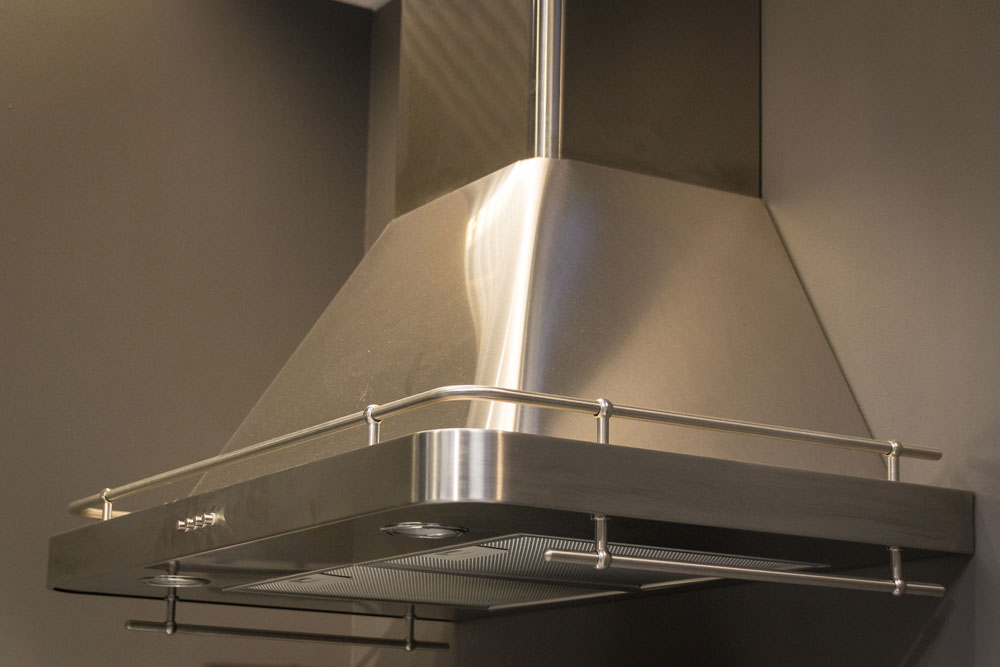
A busy restaurant kitchen depends on more than skilled staff and quality equipment. When kitchen exhaust systems are overlooked, grease buildup, airflow problems, and fire risks can develop quickly, often without obvious warning signs. Restaurant operators and maintenance personnel who understand the most common hood maintenance pitfalls can avoid costly disruptions and keep their kitchens operating safely and efficiently.
Kitchen exhaust hood maintenance mistakes are often preventable. The most common restaurant cleaning errors include skipping scheduled cleanings, neglecting hard-to-reach exhaust components, using improper cleaning methods, and failing to document maintenance activities. Consistent exhaust system care helps improve safety, supports code compliance, and extends the life of critical kitchen ventilation equipment.
What Restaurant Operators Should Know
Regular inspections help identify hood maintenance pitfalls before they become expensive repairs.
Grease accumulation inside ductwork and exhaust fans can create significant fire hazards if not addressed promptly.
Common restaurant cleaning errors often occur when maintenance focuses only on visible surfaces.
Proper exhaust system care improves airflow, kitchen comfort, and equipment performance.
Quality assurance procedures help ensure every component of the system receives appropriate attention.
Commercial kitchens generate large amounts of grease-laden vapors every day. Whether serving customers during lunch rushes or managing high-volume catering operations, restaurant facilities rely on properly functioning exhaust systems to maintain safe working conditions.
The Foster Family Companies works with restaurant operators and facility managers who need dependable hood cleaning and maintenance solutions. Through years of industry experience, we have seen how small maintenance oversights can lead to larger operational challenges.
Proper kitchen exhaust hood maintenance involves much more than removing visible grease. Effective maintenance requires attention to the entire ventilation system, including hoods, ductwork, filters, fans, and access points.
Key Facts About Kitchen Exhaust Hood Maintenance
Kitchen exhaust systems require ongoing maintenance to control grease accumulation and maintain airflow. Neglecting hidden system components often creates greater risks than visible surface buildup. Consistent cleaning schedules help reduce fire hazards and support regulatory compliance. Documentation and inspection practices play an important role in long-term system performance.
Common Exhaust System Challenges in Commercial Kitchens
Kitchen exhaust hood maintenance challenges often begin when cleaning efforts focus only on what is visible. The entire exhaust system, from the hood canopy to the rooftop fan, must be maintained to ensure safe operation.
Some of the most frequent issues include:
Grease accumulation inside ductwork
Clogged or damaged filters
Restricted airflow
Fan performance problems
Missed inspection intervals
Incomplete maintenance records
Improper cleaning techniques
These issues can reduce system efficiency and increase operational risks over time.
If you would like a professional assessment of your kitchen ventilation system,
Kitchen exhaust hood maintenance is most effective when it follows established inspection and cleaning schedules based on cooking volume and grease production. Industry standards such as NFPA 96 provide guidance for cleaning frequencies and system maintenance requirements.
In our field experience, facilities that maintain documented cleaning schedules and regular inspections typically experience fewer emergency service issues than facilities that perform maintenance only when visible grease becomes noticeable.
Operators who view hood maintenance as a preventative measure rather than a reactive task generally achieve better long-term system performance.
How Maintenance Mistakes Impact Restaurant Operations
Kitchen exhaust maintenance mistakes can affect safety, efficiency, compliance, and operational continuity. Even minor oversights may create conditions that increase fire risks or reduce ventilation effectiveness.
Poor exhaust system care can lead to:
Increased grease accumulation
Reduced airflow and ventilation
Higher equipment wear
Potential compliance concerns
Increased downtime for corrective maintenance
Less comfortable kitchen environments
For restaurants operating during peak business periods, unexpected ventilation issues can disrupt normal operations and create avoidable expenses.
Expert Commentary on Hood Maintenance Pitfalls
Hood maintenance pitfalls often stem from the misconception that visible cleanliness equals system cleanliness. While clean hood surfaces are important, hidden components frequently present the greatest concerns.
We regularly observe facilities where exterior surfaces appear clean while grease remains inside ductwork or around exhaust fan assemblies. This disconnect highlights the importance of comprehensive maintenance procedures rather than surface-level cleaning.
We recommend treating the entire exhaust system as one connected safety system rather than a collection of individual components.
Warning Signs of Inadequate Hood Maintenance
Signs of inadequate hood maintenance often appear gradually before major issues develop. Recognizing these indicators early can help prevent more serious problems.
Common warning signs include:
Excessive grease accumulation on hood surfaces
Reduced smoke capture performance
Persistent cooking odors
Visible grease around rooftop fans
Unusual fan noise or vibration
Grease dripping from components
Increased kitchen heat levels
Poor airflow near cooking equipment
Ignoring these symptoms can allow underlying problems to worsen over time.
When Professional Hood Cleaning Becomes Necessary
Professional hood cleaning becomes necessary when grease accumulation extends beyond routine staff cleaning capabilities or when complete system access is required. Trained technicians have the tools and procedures needed to clean internal system components safely and thoroughly.
Kitchen staff can typically handle daily surface cleaning and filter maintenance. However, internal ductwork, fan assemblies, and other system components often require specialized expertise.
Professional service helps ensure all areas receive proper attention while reducing the likelihood of missed problem areas.
If you are concerned about grease buildup or ventilation performance,
Most kitchen exhaust maintenance issues result from inconsistent schedules, incomplete cleaning procedures, or insufficient inspections.
The most common causes include:
Delayed cleaning intervals
Incomplete duct cleaning
Neglected exhaust fan maintenance
Lack of inspection documentation
Improper cleaning products or methods
Failure to replace damaged components
Addressing these causes early helps prevent more significant maintenance challenges.
Prevention Strategies for Long-Term Performance
Preventing hood maintenance problems requires consistency and attention to detail. A proactive maintenance program is generally more effective than responding to issues after they appear.
Recommended prevention practices include:
Following scheduled cleaning intervals
Conducting regular inspections
Maintaining accurate service records
Monitoring grease accumulation levels
Cleaning all accessible system components
Addressing minor issues promptly
Verifying fan performance routinely
Preventative maintenance helps improve reliability while reducing unexpected disruptions.
Expected Results from Proper Exhaust System Care
Proper exhaust system care helps improve ventilation performance, reduce grease accumulation, and support safer kitchen operations. Consistent maintenance also contributes to longer equipment life and fewer emergency service calls.
Restaurant operators who prioritize routine maintenance often experience:
Better airflow
Improved smoke capture
Reduced grease buildup
Enhanced operational reliability
Greater confidence during inspections
While maintenance cannot eliminate every equipment issue, it significantly reduces preventable problems.
Expert Insight: One of the most overlooked maintenance opportunities is routine documentation. Facilities that track inspections, cleanings, and corrective actions often identify developing issues earlier and make more informed maintenance decisions.
Common Mistakes to Avoid
Common hood maintenance mistakes can increase risk, reduce efficiency, and create unnecessary expenses.
Mistake
Consequence
Better Approach
Cleaning only visible surfaces
Hidden grease accumulation remains
Clean the entire system
Skipping scheduled service
Increased grease buildup
Follow a documented schedule
Ignoring rooftop fan areas
Reduced ventilation performance
Include fan assemblies in inspections
Failing to replace damaged filters
Airflow restrictions
Inspect and replace filters as needed
Using improper cleaning methods
Incomplete grease removal
Follow approved cleaning procedures
Neglecting maintenance records
Difficult compliance tracking
Maintain detailed documentation
A Common Restaurant Scenario
A common local scenario involves a restaurant that maintains clean hood surfaces but postpones comprehensive system cleaning because operations appear normal. Over time, grease accumulates inside ductwork and around exhaust fans, reducing airflow and increasing maintenance concerns.
After a thorough inspection and full-system cleaning, airflow improves, grease accumulation is removed, and the facility gains a clearer understanding of its ongoing maintenance needs.
This scenario demonstrates why comprehensive maintenance is more effective than addressing only visible issues.
Services That Support Effective Hood Maintenance
Professional hood cleaning services help address many of the maintenance challenges discussed in this article. Comprehensive services may include hood cleaning, duct cleaning, exhaust fan cleaning, system inspections, and maintenance documentation.
At The Foster Family Companies, we emphasize quality assurance throughout the cleaning process. Our approach focuses on thorough system evaluation, detailed cleaning procedures, and verification practices designed to help ensure every accessible component receives proper attention.
By combining cleaning services with consistent inspection practices, we help restaurant operators support safer and more reliable kitchen operations.
To learn more about available maintenance options,
Comparing DIY Maintenance and Professional Service
DIY maintenance and professional hood cleaning serve different purposes. Daily staff cleaning is important for maintaining visible cleanliness, while professional service addresses internal components and system-wide maintenance needs.
DIY Maintenance
Professional Service
Daily surface cleaning
Full-system cleaning
Basic filter care
Duct and fan cleaning
Routine visual inspections
Detailed system evaluations
Immediate spill cleanup
Comprehensive grease removal
Operational housekeeping
Maintenance documentation
Both approaches work best when used together as part of a complete maintenance strategy.
The Cost of Ignoring Maintenance Issues
Ignoring kitchen exhaust maintenance issues can increase operational costs, create safety concerns, and contribute to equipment deterioration. Small maintenance problems often become more expensive when left unresolved.
Potential consequences include:
More extensive cleaning requirements
Reduced equipment lifespan
Ventilation performance issues
Increased downtime
Greater repair expenses
Elevated fire risks
Addressing concerns early is usually more efficient than managing major corrective work later.
If your facility has not had a recent system evaluation,
What are the most common hood maintenance pitfalls?
The most common hood maintenance pitfalls include skipped cleanings, incomplete duct cleaning, neglected exhaust fans, poor documentation, and focusing only on visible grease buildup.
How often should restaurant exhaust hoods be cleaned?
Cleaning frequency depends on cooking volume, menu type, and grease production. Many facilities follow schedules based on industry standards and inspection recommendations.
Why are common restaurant cleaning errors so problematic?
Common restaurant cleaning errors often leave hidden grease deposits inside the ventilation system. These areas can create performance issues and increase safety risks.
What is included in professional exhaust system care?
Professional exhaust system care typically includes cleaning hoods, filters, ductwork, exhaust fans, and other accessible ventilation components.
Can kitchen staff perform all hood maintenance?
Kitchen staff can handle routine cleaning and monitoring, but comprehensive system cleaning often requires specialized equipment and expertise.
Why is documentation important during hood maintenance?
Maintenance records help track service history, identify recurring issues, and support inspection readiness.
How can operators improve maintenance consistency?
Operators can improve consistency by implementing documented schedules, assigning responsibilities, and conducting regular inspections.
What role does quality assurance play in hood cleaning?
Quality assurance helps verify that all accessible system components have been inspected and cleaned according to established procedures.
Restaurant operators and maintenance personnel face enough challenges without preventable exhaust system issues creating additional complications. Consistent maintenance, thorough inspections, and attention to common cleaning mistakes can help keep kitchen ventilation systems operating safely and efficiently.
Keep Your Kitchen Exhaust System Performing at Its Best
A proactive maintenance strategy can help reduce risk, improve system performance, and support smoother restaurant operations. The Foster Family Companies understands the challenges of commercial kitchen exhaust maintenance and the importance of getting the job done right.
Integrated Facilities Management (IFM) has emerged as a transformative approach to optimizing resources, reducing operational inefficiencies, and enhancing workplace productivity. Businesses today operate in fast-paced, competitive environments where managing multiple facility-related functions independently can result in unnecessary costs, wasted time, and fragmented operations. IFM offers a unified strategy by consolidating all facility management services under a single, streamlined framework. This approach leverages efficient facilities management practices and integrated building services to maximize organizational performance while aligning infrastructure management with business objectives.
In this blog, we will explore how IFM drives operational excellence, the role of integrated building services, the technological innovations reshaping the industry, and how businesses can harness IFM to achieve streamlined operations across their organization.
Understanding IFM and Its Role in Efficient Facilities Management
Integrated Facilities Management involves combining multiple services — such as maintenance, cleaning, security, energy management, and workspace optimization — into a single, coordinated system. Traditionally, businesses outsourced individual services to different vendors, resulting in disconnected workflows and inconsistent quality. IFM resolves this by assigning one provider to oversee all operations holistically.
Efficient facilities management is at the core of IFM, focusing on reducing operational redundancies while maintaining or improving service quality. By centralizing oversight, organizations gain better control over budgets, eliminate duplication of services, and ensure compliance with safety and sustainability standards. This integration not only simplifies vendor coordination but also establishes transparent reporting structures, empowering leadership to make data-driven decisions.
For example, a large corporate campus using IFM can seamlessly manage HVAC maintenance, security patrols, and janitorial services under one operational framework. This consolidated approach ensures service consistency, faster issue resolution, and reduced operational costs — all critical to maintaining business continuity and improving employee satisfaction.
The Impact of IFM on Streamlined Operations
One of the most significant advantages of IFM is its ability to deliver streamlined operations by eliminating inefficiencies inherent in siloed facility management. When multiple service providers operate independently, communication gaps, duplicated tasks, and misaligned objectives often arise. IFM addresses these challenges by creating a unified system where responsibilities are clearly defined, processes are standardized, and accountability is centralized.
Streamlined operations lead to optimized workflows, faster turnaround times, and improved service delivery. For example, if a facility experiences an electrical outage, the IFM model enables immediate coordination between the electrical maintenance team, safety personnel, and building management. Instead of navigating through multiple vendors and contracts, the centralized system accelerates problem resolution, reducing downtime and enhancing productivity.
Moreover, IFM fosters improved collaboration between business units and facility managers. With unified reporting and performance tracking, decision-makers can identify recurring issues, implement preventive measures, and better align facilities strategies with organizational goals. This level of integration transforms facilities from being mere support functions into active enablers of business growth.
Leveraging Integrated Building Services for Better Performance
Integrated building services are a core pillar of IFM, combining various operational components into a cohesive framework. These services encompass energy efficiency, security systems, maintenance schedules, space optimization, and sustainability initiatives — all aligned under a single management structure. By coordinating these interconnected functions, organizations can enhance operational efficiency while reducing costs and environmental impact.
For instance, energy management systems within integrated building services use real-time data analytics to optimize heating, cooling, and lighting consumption. This not only lowers utility expenses but also supports corporate sustainability goals. Similarly, predictive maintenance strategies powered by smart sensors ensure equipment is serviced before breakdowns occur, reducing costly downtime.
Furthermore, integrated building services promote consistency in service quality across multiple sites or regions. Whether managing a single office or a global portfolio, organizations benefit from standardized processes, centralized vendor oversight, and cohesive compliance strategies. This consistency is particularly valuable for businesses with diverse locations, ensuring a seamless experience for employees and clients alike.
Technology and Innovation Driving IFM Efficiency
Technological advancements are revolutionizing efficient facilities management and reshaping how IFM is implemented. Digital transformation enables organizations to harness data analytics, automation, and IoT-powered systems to optimize operations at unprecedented levels.
IoT sensors, for example, provide real-time monitoring of critical assets such as HVAC systems, lighting, and occupancy levels. Facility managers can identify trends, predict equipment failures, and respond proactively to potential issues. Similarly, AI-driven analytics deliver actionable insights into space utilization, energy consumption, and workforce productivity, enabling smarter decision-making.
Additionally, cloud-based IFM platforms centralize information sharing, service requests, and performance reporting, improving communication between stakeholders and service providers. Mobile applications further enhance operational agility by allowing on-site technicians to access work orders, submit updates, and escalate issues instantly. These innovations streamline operations, reduce human error, and create a data-driven foundation for continuous improvement.
By adopting technology-driven IFM strategies, organizations not only enhance operational efficiency but also position themselves to meet evolving workplace demands and sustainability expectations.
The Business Value of IFM: Cost Savings and Strategic Growth
Adopting IFM delivers measurable business value by aligning operational strategies with long-term organizational goals. One of the most immediate benefits is cost savings, achieved through optimized vendor management, reduced resource duplication, and improved procurement processes. Consolidating contracts under a single IFM provider enhances bargaining power and eliminates hidden costs associated with fragmented outsourcing.
Beyond financial efficiency, IFM creates strategic advantages by freeing leadership and employees from operational distractions. When facilities run smoothly, organizations can focus on innovation, customer engagement, and revenue-generating activities. Integrated building services also support sustainability objectives, enhancing brand reputation and meeting regulatory requirements.
Moreover, IFM solutions are scalable, making them ideal for organizations of all sizes. As businesses expand or downsize, IFM frameworks adapt to changing needs without sacrificing operational efficiency. This flexibility ensures organizations remain agile in responding to market fluctuations and evolving employee expectations.
Conclusion
Integrated Facilities Management represents a paradigm shift in how organizations approach efficient facilities management and operational performance. By consolidating services, leveraging integrated building services, and adopting cutting-edge technologies, IFM empowers businesses to achieve streamlined operations that drive cost savings, sustainability, and long-term growth.
In an increasingly competitive marketplace, operational efficiency is no longer optional — it is a strategic necessity. Organizations that embrace IFM can unlock higher productivity, deliver better employee and customer experiences, and position themselves as leaders in their industries. By aligning facility strategies with business objectives, IFM transforms operations into a powerful enabler of success.
Need a Facility Services Provider Near You?
We’re here to help protect what matters most to you—your people, your information, and your environment. At The Foster Family Companies, our team is passionate about delivering reliable fire and life safety systems, secure document destruction, and spotless janitorial services tailored to your unique needs. Whether you’re looking to safeguard your facility, maintain confidentiality, or ensure a clean and healthy workplace, we’ve got the experience and commitment to get the job done right. Reach out to us today and let’s build a safer, cleaner future together.
Integrated Facilities Management (IFM) has transformed the way organizations handle their operational needs by combining multiple services under one strategic umbrella. However, the true strength of modern IFM lies not just in its efficiency but in its personalized facilities management approach, where adaptability and customization become the key differentiators. As companies strive to optimize resources, enhance employee satisfaction, and meet evolving demands, IFM customization offers an unparalleled opportunity to design solutions that perfectly fit unique operational goals.
In this blog, we will explore how IFM providers are reshaping the facilities management landscape through adaptable services, technology-driven personalization, and collaborative models that allow businesses to stay agile and competitive.
The Rise of Personalized Facilities Management
Organizations today face diverse challenges—from managing hybrid workspaces and sustainability goals to ensuring seamless operations across multiple locations. Traditional one-size-fits-all facilities management models often fail to address these unique demands. This is where personalized facilities management steps in, offering tailored strategies based on each company’s operational culture, workforce needs, and long-term objectives.
Through IFM customization, providers are able to align their services with an organization’s priorities, whether it’s enhancing employee experiences, reducing operational costs, or meeting environmental, social, and governance (ESG) targets. Unlike rigid service contracts, this approach focuses on creating dynamic solutions that evolve with changing business landscapes.
Technology plays a pivotal role in this personalization journey. By leveraging data analytics, Internet of Things (IoT) sensors, and AI-driven insights, IFM providers gain a deeper understanding of building usage patterns, energy consumption, and workforce preferences. This data empowers businesses to create optimized environments that boost productivity, employee satisfaction, and overall operational performance.
IFM Customization: Aligning Services With Business Goals
A major advantage of IFM customization is its ability to adapt to an organization’s strategic objectives. Facilities management is no longer limited to maintaining buildings and utilities; it now serves as a critical enabler of business success. Companies with multiple locations, remote teams, or diverse operational setups benefit significantly from adaptable solutions designed to meet their unique demands.
For example, a growing tech company may prioritize creating collaborative spaces to enhance innovation, while a healthcare facility might focus on stringent hygiene protocols and advanced safety systems. Through customized IFM solutions, providers can integrate specific technologies, workflows, and resources that support these goals.
Moreover, IFM customization streamlines service delivery by consolidating various functions—such as maintenance, security, cleaning, catering, and energy management—into a unified framework. This integration reduces redundancy, improves transparency, and enhances decision-making, allowing businesses to operate more efficiently while staying focused on their core objectives.
The ultimate aim is to deliver measurable outcomes. Providers and organizations work together to set performance benchmarks, monitor progress, and make real-time adjustments, ensuring services remain relevant and impactful in a constantly shifting environment.
The Power of Adaptable Services in IFM
Flexibility has become an essential requirement for modern facilities management, especially in industries experiencing rapid transformation. As work models evolve, companies are increasingly turning to adaptable services that can scale, shift, and optimize according to business needs.
Adaptable IFM solutions are designed to accommodate fluctuating workforce sizes, evolving safety requirements, and diverse operational demands. For instance, during periods of rapid expansion, companies may require additional services like workspace design, IT infrastructure support, or enhanced security measures. Conversely, during downsizing or restructuring, services can be scaled back seamlessly, ensuring cost-effectiveness without compromising quality.
Another aspect of adaptability lies in sustainability. Organizations are placing a stronger emphasis on reducing carbon footprints and adopting eco-friendly practices. IFM providers are responding with solutions like smart energy monitoring, waste reduction programs, and green cleaning technologies—customized to align with each client’s sustainability vision.
Ultimately, adaptable services empower businesses to remain agile, resilient, and prepared for future challenges. By continuously evolving with organizational demands, IFM providers create long-term partnerships that deliver lasting value.
Technology-Driven Personalization in Facilities Management
The integration of technology within IFM has opened the door to advanced personalization strategies that elevate operational performance. Tools such as AI, predictive analytics, and IoT are transforming the way facilities are monitored, maintained, and optimized.
For example, predictive maintenance powered by real-time IoT sensors allows organizations to identify equipment issues before they escalate into costly failures. AI-driven occupancy analytics help companies better manage space utilization by understanding how employees interact with their work environments. These insights enable data-backed decisions that enhance both efficiency and employee experience.
Additionally, technology enables more seamless communication between service providers and clients. Through centralized dashboards and mobile applications, stakeholders gain instant visibility into ongoing operations, service requests, and performance metrics. This transparency strengthens collaboration and fosters accountability, ensuring services remain aligned with organizational goals.
By combining IFM customization with digital innovation, businesses can implement personalized solutions that are not only efficient but also proactive, adaptive, and future-ready.
Building Collaborative IFM Partnerships for the Future
The success of personalized facilities management relies heavily on strong collaboration between organizations and their IFM partners. Instead of a transactional approach, companies increasingly seek strategic relationships where providers act as extensions of their operational teams.
A collaborative model fosters open dialogue, shared objectives, and continuous improvement. Through regular performance reviews, real-time data insights, and joint planning sessions, IFM providers can anticipate client needs and adjust strategies proactively. This partnership-driven approach enhances trust and ensures that solutions remain relevant as business environments evolve.
Furthermore, as global trends like remote work, sustainability mandates, and digital transformation reshape industries, businesses require IFM partners who can anticipate future challenges and adapt accordingly. Providers offering highly customized, adaptable services will be better positioned to deliver value and support organizational growth in the years to come.
Conclusion
Integrated Facilities Management is no longer about simply maintaining infrastructure—it’s about enabling businesses to thrive in dynamic environments. The combination of personalized facilities management, IFM customization, and adaptable services empowers organizations to create tailored strategies that drive efficiency, enhance employee well-being, and align operations with long-term goals.
As technology continues to transform how facilities are managed, the role of customization and flexibility will only become more critical. Companies that embrace personalized IFM solutions will gain a competitive edge, ensuring they remain agile, resilient, and prepared for the challenges of tomorrow.
This personalized, data-driven, and partnership-focused approach marks the future of facilities management—one where organizations can achieve operational excellence while delivering exceptional experiences for their people and stakeholders alike.
Need a Facility Services Provider Near You?
We’re here to help protect what matters most to you—your people, your information, and your environment. At The Foster Family Companies, our team is passionate about delivering reliable fire and life safety systems, secure document destruction, and spotless janitorial services tailored to your unique needs. Whether you’re looking to safeguard your facility, maintain confidentiality, or ensure a clean and healthy workplace, we’ve got the experience and commitment to get the job done right. Reach out to us today and let’s build a safer, cleaner future together.
Selecting the right facility services provider is more than just a practical decision—it’s a strategic one. An effective provider doesn’t just maintain your physical space; they enhance your business operations, improve safety and compliance, and even impact your bottom line. With the rise of outsourcing in the commercial sector, the demand for expert facilities management has surged. Organizations now look beyond janitorial services to comprehensive solutions that span everything from HVAC and electrical maintenance to space planning and sustainability initiatives. When evaluating your options, there are specific qualities you should look for to ensure your choice brings long-term value. Partnering with one of the top facilities management companies can bring about transformative changes in efficiency, professionalism, and operational integrity.
Proven Expertise and Experience
The most reliable facility services providers come backed by a proven track record and years of industry-specific experience. Every building has its quirks, whether it’s a high-rise office, a healthcare facility, a school campus, or a manufacturing plant. That means your provider needs specialized knowledge in dealing with unique regulations, systems, and expectations. A seasoned provider understands not only how to handle HVAC repairs or electrical systems, but also how to proactively anticipate problems, optimize energy usage, and reduce downtime.
Additionally, experience often correlates with innovation. The best providers evolve with the industry, integrating new technologies like automated maintenance scheduling, IoT-based sensors for real-time monitoring, and sustainable practices that comply with regulatory and environmental standards. They’ve faced a wide range of issues across diverse environments and know how to apply best practices effectively. When you engage with one of the top facilities management companies, you’re tapping into a deep well of institutional knowledge that can support everything from daily maintenance to emergency response strategies.
Transparent Communication and Accountability
A professional facility services provider understands that clear communication forms the backbone of a successful partnership. You need a provider who’s responsive, honest, and proactive in both day-to-day updates and long-term strategic planning. Communication breakdowns can result in delayed services, unanticipated costs, or even safety hazards. That’s why it’s important to choose a partner that prioritizes openness, with structured reporting systems, scheduled performance reviews, and accessible points of contact for support or escalation.
Moreover, top-tier providers practice accountability through documented service-level agreements (SLAs), key performance indicators (KPIs), and feedback loops. These ensure that expectations are aligned and outcomes can be measured objectively. If a vendor consistently misses benchmarks or delivers subpar service, a robust accountability framework makes it easier to course-correct early. When you’re evaluating potential vendors, ask about their internal processes for quality assurance, conflict resolution, and client satisfaction. Their answers will tell you a lot about how seriously they take their commitments.
Customization and Flexibility
No two businesses are exactly alike, and neither are their facility needs. A hallmark of high-quality facility services providers is the ability to customize their offerings to match the unique needs of your space, team, and operational demands. Whether you’re a fast-growing tech startup that needs scalable cleaning solutions or a multi-site retail chain that requires uniformity across all locations, your provider should be able to adapt without sacrificing quality.
Flexibility also means accommodating your schedules, adjusting staffing levels during peak seasons, and responding quickly to unexpected changes like weather-related closures or equipment failures. The benefits of working with a facilities management company are significantly amplified when that partner can pivot in real-time without bureaucracy or disruption. Providers who offer modular services allow you to scale up or down easily, add specialties like landscaping or pest control, or integrate smart technologies over time—all while keeping your costs predictable and your workflows uninterrupted.
Compliance, Safety, and Risk Management
One of the most critical responsibilities of any facilities services provider is to uphold safety and compliance standards. From OSHA regulations to ADA accessibility to state and municipal codes, the legal landscape governing facility management is broad and complex. Top facilities management companies don’t just react to these standards—they proactively train their staff, audit their processes, and maintain meticulous records to ensure ongoing compliance.
Safety isn’t limited to avoiding fines or liability. It also covers the day-to-day well-being of your employees, clients, and visitors. This includes everything from slip-and-fall prevention and clean air protocols to properly maintained fire suppression systems and emergency response plans. The provider you choose should have formal safety certifications, clearly defined protocols, and an active culture of risk management. They should regularly review these elements with your internal teams and be open to audits, inspections, and third-party evaluations.
Moreover, insurance coverage is an often-overlooked aspect of risk management. A credible provider will carry comprehensive liability insurance and be able to supply proof upon request. Don’t hesitate to verify these credentials early in your selection process—it’s a key indicator of their professionalism and your potential exposure.
Technology Integration and Sustainability Initiatives
In today’s digital age, the most competitive facilities services providers are those that embrace technology to enhance service delivery and client engagement. Real-time dashboards, mobile apps for service requests, automated maintenance logs, and IoT-based monitoring tools are no longer “nice-to-haves”—they are essential. These tools help improve visibility, reduce response times, and enable data-driven decision-making that improves long-term facility performance.
Equally important is a provider’s stance on sustainability. Environmentally responsible practices are not only beneficial for the planet but can also lead to long-term cost savings. Many of the top facilities management companies offer green cleaning products, waste reduction programs, energy audits, and LEED certification support. They help you identify areas of inefficiency and propose eco-conscious upgrades that align with your organization’s sustainability goals. From LED lighting retrofits to solar energy integrations, these providers bring both the knowledge and the resources to reduce your carbon footprint without compromising functionality.
Choosing a partner who takes sustainability seriously also enhances your brand image. Stakeholders—from employees to investors—are increasingly looking at ESG (Environmental, Social, and Governance) metrics as indicators of company health and responsibility. The benefits of working with a facilities management company that shares your commitment to sustainability go far beyond immediate utility savings; they contribute to your reputation, compliance, and long-term resilience.
Conclusion
In summary, choosing a facility services provider is about much more than cost or convenience. It’s about securing a partner who will contribute to the safety, efficiency, and professionalism of your operations. Look for a provider with deep experience, strong communication protocols, flexibility, a rigorous approach to compliance, and a forward-thinking view of technology and sustainability. These qualities not only ensure smoother day-to-day operations but also protect your investment and support your strategic objectives. By partnering with one of the top facilities management companies, your organization can unlock the full benefits of working with a facilities management company—driving performance, reducing risk, and enabling long-term growth.
Need a Facility Services Provider Near You?
We’re here to help protect what matters most to you—your people, your information, and your environment. At The Foster Family Companies, our team is passionate about delivering reliable fire and life safety systems, secure document destruction, and spotless janitorial services tailored to your unique needs. Whether you’re looking to safeguard your facility, maintain confidentiality, or ensure a clean and healthy workplace, we’ve got the experience and commitment to get the job done right. Reach out to us today and let’s build a safer, cleaner future together.