
Why Regular Fire Safety Inspections Matter More Than Ever
In an era marked by increasing urbanization, climate change, and the rapid expansion of infrastructure, fire hazards have become more prevalent and potentially catastrophic. Whether it’s a commercial high-rise, an industrial plant, or a residential complex, the risks associated with fire incidents have grown in complexity. This makes the importance of fire inspections more critical than ever before. Fires not only threaten property and infrastructure but, more importantly, endanger human lives and livelihoods.
The modern world relies heavily on electronic devices, advanced machinery, and energy systems, all of which come with their own sets of fire-related risks. From overloaded electrical circuits to flammable materials stored improperly, the causes of fires are varied and sometimes hidden from plain view. That’s where regular safety checks come into play. These inspections serve as the first line of defense, ensuring that fire prevention systems are functioning properly and that buildings comply with evolving safety regulations.
Understanding the Legal and Regulatory Landscape
Regulatory requirements for fire safety inspections have become more stringent in recent years. Government agencies and fire departments around the world are tightening codes and regulations in response to tragic events and lessons learned from past failures. In many jurisdictions, failing to conduct fire safety inspections on schedule is not just negligent; it’s illegal. Non-compliance can lead to heavy fines, shutdowns, and even criminal liability in the event of an incident.
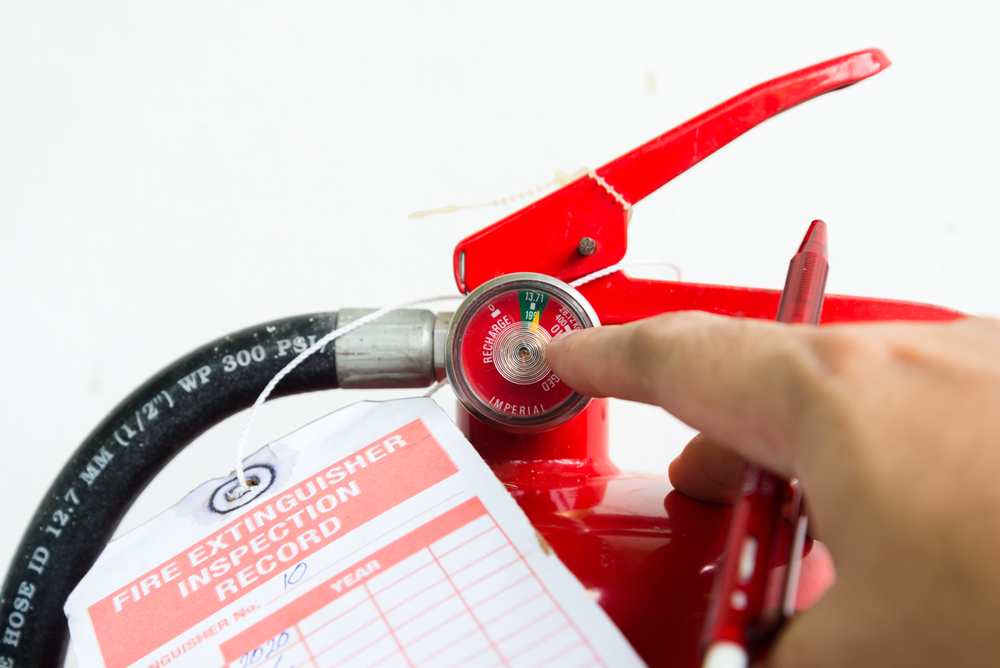
Regular safety checks are not merely box-checking exercises. They are comprehensive evaluations that often cover alarm systems, fire suppression tools like sprinklers and extinguishers, emergency lighting, exit signage, and safe storage practices for flammable materials. More than that, they verify whether the people in a facility are trained and prepared for emergencies. These measures collectively form a legal and ethical framework that ensures the safety of all building occupants.
Moreover, insurance companies are increasingly linking coverage eligibility and premiums to a company’s inspection history and compliance record. Businesses that neglect the importance of fire inspections may find themselves underinsured or without any coverage at all when they need it most. Thus, routine inspections are not only a legal obligation but also a strategic necessity.
The Cost of Complacency
One of the most underestimated aspects of fire safety is the actual cost of complacency. Fires can lead to devastating outcomes that go far beyond property damage. Lives can be lost, communities can be disrupted, and businesses can be wiped out overnight. The economic impact includes the cost of rebuilding, legal settlements, loss of revenue, reputational damage, and increased insurance premiums.
For business owners, this risk is magnified by the increasing complexity of supply chains and operations. A fire at one location can have a ripple effect, halting production, delaying deliveries, and disrupting partnerships. In some cases, regulatory bodies may impose sanctions that restrict a company’s ability to operate until fire safety issues are resolved.
What makes this more tragic is that many of these incidents are preventable. Faulty wiring, blocked exits, expired fire extinguishers, and non-functional alarms are problems that regular safety checks are designed to catch. Without consistent inspections, small issues can go unnoticed until they escalate into full-scale emergencies.
Modern Technology and the Evolution of Fire Inspections
As technology continues to evolve, so too have the methods and tools used in fire inspections. Gone are the days when inspections relied solely on visual assessments and manual documentation. Today, inspectors utilize advanced diagnostic tools, including thermal imaging cameras, IoT-enabled sensors, and digital inspection platforms that provide real-time analytics.
These technologies allow for more precise evaluations and quicker identification of risks. For instance, thermal imaging can detect overheating equipment or hidden hotspots that might otherwise go unnoticed. Digital platforms streamline record-keeping and compliance reporting, making it easier for property owners and safety officers to stay on top of regulatory requirements.
The integration of smart building systems has also transformed how we approach fire safety. Automated alerts, remote monitoring, and data-driven risk modeling help prioritize maintenance and target high-risk areas. But these technologies still require human oversight. That’s why regular safety checks by trained professionals remain essential, serving as the critical bridge between automated systems and real-world safety outcomes.
Building a Culture of Prevention and Responsibility
Perhaps the most overlooked benefit of regular fire inspections is their role in cultivating a culture of safety. When inspections are routine and taken seriously, they set a tone for everyone in the organization. Employees become more aware of their environment, more diligent about reporting hazards, and more prepared to act in an emergency.
Fire safety isn’t just the responsibility of a facility manager or the local fire marshal; it’s a shared duty. Routine inspections encourage communication between departments, clarify roles and responsibilities, and provide training opportunities that strengthen team readiness. Emergency drills, evacuation procedures, and equipment demonstrations often follow these inspections, reinforcing the importance of preparedness.
The benefits of this culture extend beyond fire safety. It contributes to overall operational discipline, fosters accountability, and enhances morale by showing that leadership values the wellbeing of everyone in the building. This proactive mindset can reduce not just fire risks, but also improve general workplace safety.
Conclusion
The importance of fire inspections cannot be overstated. With rising risks, stricter regulations, and the high costs of neglect, regular safety checks are not optional; they are essential. They ensure compliance, protect lives, and safeguard property while enhancing the operational resilience of businesses and institutions.
Fire safety inspections are more than a regulatory requirement. They are a commitment to prevention, responsibility, and community well-being. As technology advances and risks continue to evolve, staying proactive through regular inspections is the most effective way to mitigate danger and maintain peace of mind. Now more than ever, taking fire safety seriously is not just smart; it’s necessary.
Need a Facility Services Provider Near You?
We’re here to help protect what matters most to you—your people, your information, and your environment. At The Foster Family Companies, our team is passionate about delivering reliable fire and life safety systems, secure document destruction, and spotless janitorial services tailored to your unique needs. Whether you’re looking to safeguard your facility, maintain confidentiality, or ensure a clean and healthy workplace, we’ve got the experience and commitment to get the job done right. Reach out to us today and let’s build a safer, cleaner future together.