

Fire Safety Education for Children: Making Learning Fun
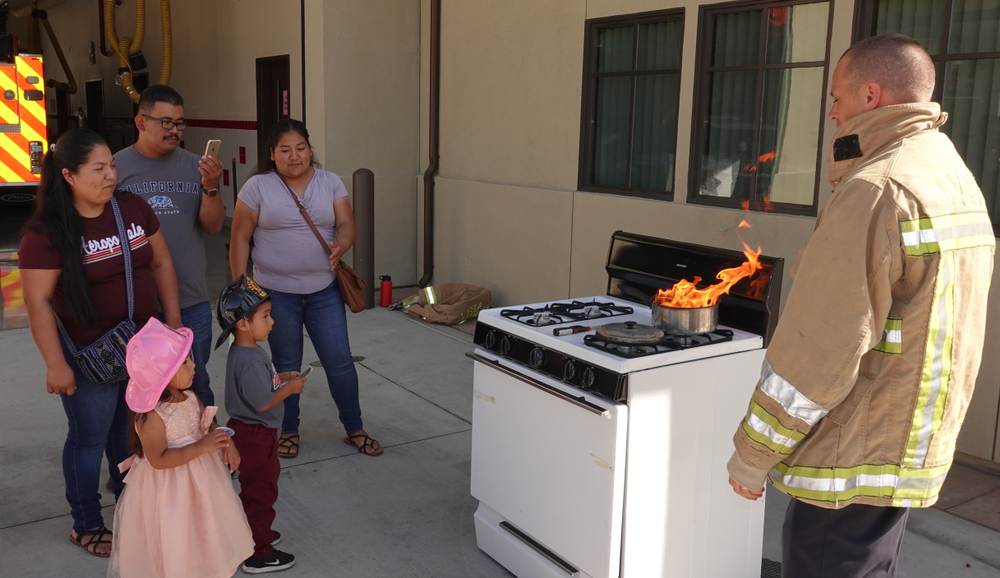
Fire safety education is one of the most essential life skills we can teach children. Fires can happen unexpectedly, and preparing kids to respond quickly and appropriately can make a life-saving difference. While the idea of discussing emergencies with children may seem daunting, especially when trying to avoid fear or anxiety, there are effective and enjoyable methods to turn this topic into something both engaging and memorable. By making safety education playful, imaginative, and hands-on, children not only retain information better but also feel more empowered in emergency situations.
Introducing the concept of fire safety early in life helps create habits that stick. Much like learning to look both ways before crossing the street, understanding how to react when hearing a fire alarm or seeing smoke becomes a second nature response when reinforced through consistent, age-appropriate teaching. Parents, caregivers, and educators all play a key role in shaping this knowledge through activities that encourage learning by doing. From storytelling and games to classroom role-play and home safety checks, there are countless ways to make fire safety part of everyday life without overwhelming young learners.
Engaging Children with Interactive Lessons
One of the best strategies for teaching kids safety is through interactive learning. Passive instruction often fades from memory, but active involvement helps children absorb and remember critical information. Whether at home or in school, kids respond well to lessons that include movement, role-play, and storytelling. Fire safety education benefits greatly from these methods because they simulate real-life scenarios in a controlled, safe environment.
For younger children, storytelling with characters like firefighters or talking animals can be especially effective. Creating a story where the hero practices stop, drop, and roll or calls 911 in an emergency helps build familiarity with these actions. Children can act out parts of the story to reinforce their understanding. For older kids, more structured activities like designing escape plans for a home or classroom can foster problem-solving skills while underscoring the importance of being prepared.
Incorporating art and crafts can also make lessons more hands-on. Drawing a family escape map or making a pretend fire extinguisher out of recycled materials adds a creative angle that keeps children engaged. These projects allow kids to internalize important ideas while having fun, making it more likely they’ll recall what they’ve learned when it counts.
Teaching Kids Safety Through Play
Play is one of the most natural ways for children to learn. When we embed important messages in games, songs, and imaginative play, we create a powerful bridge between learning and memory. This approach is particularly useful for fire safety education, where the stakes are high but the lessons need to feel safe and approachable.
Board games that involve moving through rooms while identifying fire hazards can help kids recognize dangers in a non-threatening way. Pretend play where children take turns being firefighters or emergency callers gives them the opportunity to practice responses in a relaxed environment. This kind of role-play not only makes the material more relatable but also boosts confidence.
Songs and rhymes can also play a role in reinforcing lessons. Just as the ABCs are easier to learn through music, fire safety tips like “Get Low and Go” or “Stop, Drop, and Roll” become more memorable when set to a tune. Repetition is key, and the more kids hear and act out these concepts, the more instinctive their responses become.
Games with reward systems, such as collecting badges for identifying exits or answering quiz questions, introduce a sense of achievement that motivates continued participation. Children learn best when they are having fun, and this approach ensures that safety messages are absorbed in a positive and encouraging context.
The Role of Safety Drills for Kids
While creative lessons and playful activities are important, structured practice through safety drills is equally crucial. Drills provide a framework for children to apply what they’ve learned in a real-time setting. They bridge the gap between theory and action, turning knowledge into instinct.
Regularly practicing fire drills at home and school reinforces quick thinking and calm behavior. Children learn where to go, how to exit safely, and the importance of not hiding during a fire. Drills also offer an opportunity to correct misconceptions and update plans as needed. Consistency helps children become familiar with the process, reducing panic in actual emergencies.
In a school setting, drills should be coordinated in a way that keeps children informed but not alarmed. Teachers can explain the purpose of the drill in advance and walk through the steps before doing a full run-through. At home, involving kids in creating the family’s escape plan adds a sense of ownership and ensures they know what to do and where to go.
Even outside of formal drills, reinforcing quick response habits is key. Practicing how to crawl under smoke, feel a door for heat, or call for help on a pretend phone builds practical muscle memory. These exercises should be revisited frequently to keep the lessons fresh. Just like practicing a sport or instrument, routine fire safety drills for kids lead to better performance when it matters most.
Creating a Culture of Safety at Home and School
Fire safety is not a one-time lesson. It should be part of a broader culture of preparedness both at home and in educational settings. When children consistently hear and see safety habits modeled by adults, they’re more likely to adopt them themselves. This includes checking smoke alarms regularly, maintaining clear exits, and keeping matches and lighters out of reach.
Parents can include their children in simple safety tasks such as testing the alarm each month or choosing a meeting spot outside the house. These moments provide ongoing teaching opportunities without feeling like formal instruction. Similarly, educators can integrate safety messages into daily classroom routines by using brief safety reminders during transitions or highlighting safety-related books and themes.
Partnership between home and school is vital. Teachers can send home materials or encourage families to practice escape routes together. Schools might invite local firefighters for demonstrations or organize fire safety weeks with themed activities. These events not only raise awareness but also show kids that learning safety is a community effort.
When fire safety becomes a shared value across a child’s environments, it reinforces its importance. Kids begin to view safety not just as a rule but as a responsibility they carry with them. Encouraging questions, recognizing responsible behavior, and celebrating safety awareness all contribute to a lifelong respect for these crucial practices.
Conclusion
Fire safety education doesn’t have to be intimidating or dull. By embracing creativity, interactivity, and consistency, we can make teaching kids safety a positive and empowering experience. Children thrive when learning feels like play, and when they are given chances to practice, explore, and engage with real-world ideas in age-appropriate ways.
From storytelling and games to home drills and classroom exercises, the key is to keep the lessons frequent and fun. Teaching children how to recognize hazards, respond to alarms, and act quickly can give them the confidence to stay safe under pressure. When schools and families work together to make safety education a priority, children benefit from a well-rounded understanding that will stay with them for life.
Ultimately, the goal is to raise children who are not only aware of fire risks but also prepared to respond effectively. With the right mix of play and practice, fire safety education becomes a valuable part of childhood learning, one that saves lives and builds a safer future for everyone.
Need a Facility Services Provider Near You?
We’re here to help protect what matters most to you—your people, your information, and your environment. At The Foster Family Companies, our team is passionate about delivering reliable fire and life safety systems, secure document destruction, and spotless janitorial services tailored to your unique needs. Whether you’re looking to safeguard your facility, maintain confidentiality, or ensure a clean and healthy workplace, we’ve got the experience and commitment to get the job done right. Reach out to us today and let’s build a safer, cleaner future together.