
Top Fire Safety Tips for Commercial Properties
Ensuring fire safety in commercial buildings is not just a regulatory necessity; it is a core responsibility for every property owner, manager, and business operator. Fires in commercial spaces can lead to devastating consequences, from loss of life to massive financial damages, reputational harm, and even legal repercussions. A strong focus on commercial fire safety is vital for protecting people, property, and business continuity. By embracing proactive fire prevention tips and implementing comprehensive facility safety protocols, businesses can mitigate risks and build safer environments for employees, customers, and visitors.
Conduct Regular Fire Risk Assessments
A fire risk assessment is the foundation of a solid fire safety strategy. It identifies potential fire hazards, evaluates who might be at risk, and outlines the necessary actions to eliminate or control these risks. For commercial properties, this should not be a one-time task but an ongoing process that evolves with changes in occupancy, layout, equipment, or usage of the space.
Professional fire risk assessors or trained internal safety officers should review all aspects of the facility, including electrical systems, storage of flammable materials, heating and cooling systems, and escape routes. These assessments help prioritize hazards that could ignite a fire or hinder evacuation. Once risks are identified, businesses should promptly implement mitigation measures such as relocating combustibles, repairing faulty wiring, or upgrading outdated fire alarms.
In many regions, regular fire risk assessments are legally required, and failure to conduct them can result in penalties. More importantly, a thorough assessment supports a culture of accountability and prevention within the organization. Documenting findings and actions taken also provides valuable insights in the event of inspections or insurance claims.
Install and Maintain Fire Protection Systems
Fire protection systems are the technological backbone of any commercial fire safety strategy. These include fire alarms, smoke detectors, fire extinguishers, sprinkler systems, and emergency lighting. Each of these systems plays a crucial role in either detecting fires early or minimizing their impact before emergency responders arrive.
It is essential not only to install these systems but also to maintain them according to regulatory standards and manufacturer recommendations. Fire alarms and detectors should be tested regularly, with batteries and sensors replaced as needed. Sprinkler systems must be inspected to ensure they are unobstructed and functioning properly. Fire extinguishers should be accessible, clearly labeled, and suited for different fire types, such as electrical or chemical fires.
Facilities should also keep records of inspections and maintenance activities. These documents can be critical during audits and serve as proof of due diligence. Additionally, businesses should engage certified professionals for system servicing to ensure compliance with local fire codes and national safety standards.
Train Employees in Fire Safety Procedures
Even the best fire safety systems are only effective if the people within the building know how to respond in an emergency. Employee training is a central component of fire prevention tips that every commercial property should adopt. All staff members should be familiar with fire evacuation procedures, the location of emergency exits, and how to use firefighting equipment safely.
Fire safety training should begin with onboarding and be reinforced through regular drills and refresher courses. These drills help employees act swiftly and calmly in real-life scenarios, reducing panic and confusion. Specialized training should be provided to fire wardens or designated safety officers responsible for coordinating evacuations and ensuring everyone is accounted for.
Moreover, businesses should create and display clear fire action notices in strategic locations, such as break rooms, reception areas, and near exits. These signs should outline key actions to take if a fire is discovered or the alarm sounds. Empowering employees with knowledge is one of the most effective ways to foster a proactive facility safety culture.
Ensure Clear and Accessible Emergency Exits
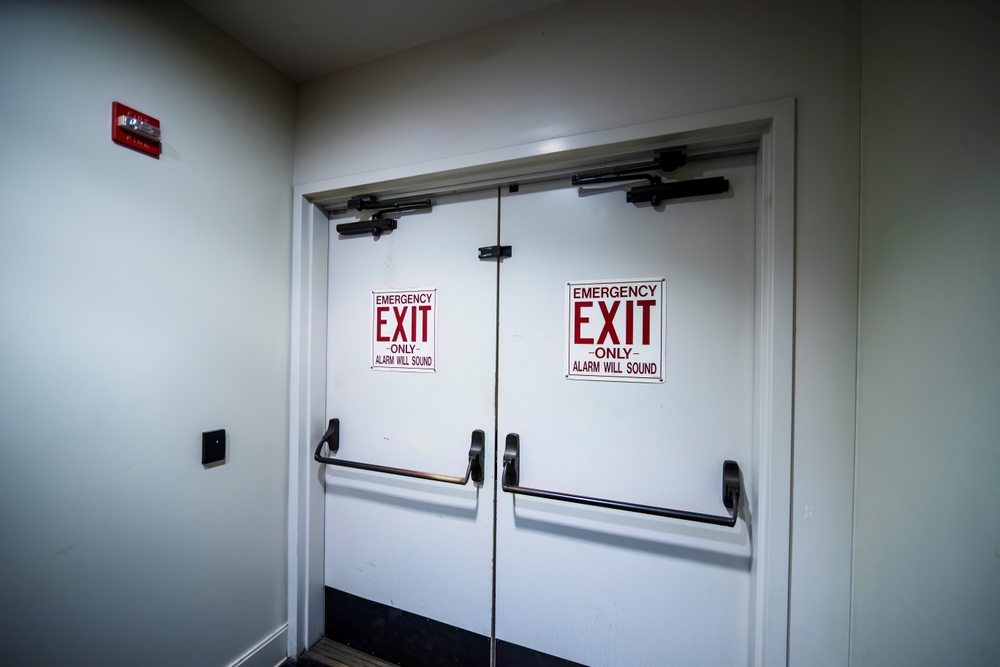
In a fire emergency, every second counts. Emergency exits must be easy to locate, unobstructed, and functional at all times. Blocked or locked exit doors can turn a manageable fire situation into a tragic incident. For this reason, regular checks of all exit routes are vital.
Exit signage should be illuminated and visible even in smoke or low-light conditions. Emergency lighting should activate automatically in the event of power failure, guiding occupants to safety. In multistory buildings, stairwells must remain free of clutter and be equipped with handrails and fire-resistant doors.
Facility managers should ensure that all exit doors can be opened from the inside without keys or complex mechanisms. Panic hardware can facilitate quick exits while maintaining building security during normal operations. Periodic walkthroughs can help identify and address issues such as blocked paths, damaged signage, or broken lighting systems.
Additionally, businesses should have a well-documented evacuation plan that includes designated assembly points, roles for staff during evacuations, and procedures for assisting individuals with disabilities. Keeping these routes and plans current can significantly enhance commercial fire safety.
Store Flammable Materials Safely
Improper storage of flammable or combustible materials is a leading cause of fires in commercial spaces. From cleaning chemicals to packaging materials, many everyday items can become fire hazards if not handled correctly. Facilities must have strict protocols in place to manage such materials and reduce the risk of ignition.
All flammable liquids and gases should be stored in approved containers and kept away from heat sources, electrical panels, and open flames. Designated storage areas should be well-ventilated and clearly labeled with hazard signage. In some industries, it may be necessary to install explosion-proof cabinets or gas detection systems to meet safety requirements.
Housekeeping also plays a crucial role in fire prevention. Keeping storage areas clean and organized minimizes the accumulation of dust, paper, and other materials that can fuel a fire. Waste disposal routines should include regular removal of combustible trash and safe handling of oily rags or chemical waste.
By training staff on proper storage procedures and enforcing clear guidelines, commercial properties can maintain a safer environment and significantly reduce the likelihood of fire-related incidents.
Conclusion
Commercial fire safety is a responsibility that demands consistent attention and informed action. Whether managing a retail outlet, office building, warehouse, or industrial site, implementing a strong fire safety plan can protect lives, assets, and business operations. From conducting detailed risk assessments to maintaining critical equipment, training employees, ensuring clear exits, and storing hazardous materials properly, every step plays a part in creating a safer workplace.
By incorporating these fire prevention tips into daily operations and cultivating a proactive safety culture, businesses demonstrate their commitment to facility safety and operational resilience. Fire emergencies may strike unexpectedly, but preparation, awareness, and systems in place can make all the difference in minimizing harm and recovering swiftly.
Need a Facility Services Provider Near You?
We’re here to help protect what matters most to you—your people, your information, and your environment. At The Foster Family Companies, our team is passionate about delivering reliable fire and life safety systems, secure document destruction, and spotless janitorial services tailored to your unique needs. Whether you’re looking to safeguard your facility, maintain confidentiality, or ensure a clean and healthy workplace, we’ve got the experience and commitment to get the job done right. Reach out to us today and let’s build a safer, cleaner future together.