
Common Mistakes to Avoid in Kitchen Exhaust Hood Maintenance
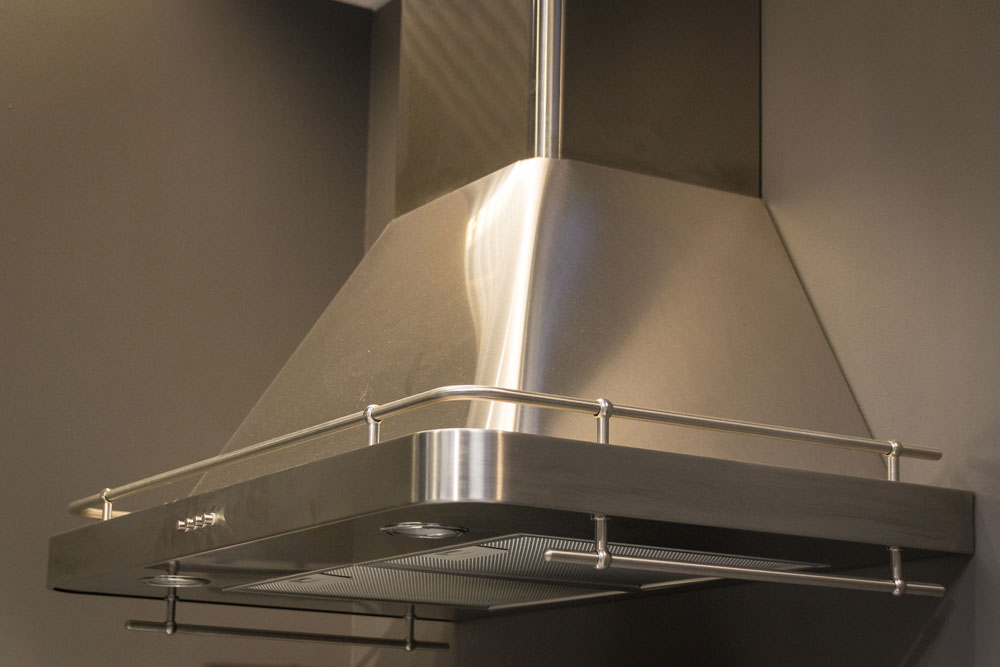
A busy restaurant kitchen depends on more than skilled staff and quality equipment. When kitchen exhaust systems are overlooked, grease buildup, airflow problems, and fire risks can develop quickly, often without obvious warning signs. Restaurant operators and maintenance personnel who understand the most common hood maintenance pitfalls can avoid costly disruptions and keep their kitchens operating safely and efficiently.
Kitchen exhaust hood maintenance mistakes are often preventable. The most common restaurant cleaning errors include skipping scheduled cleanings, neglecting hard-to-reach exhaust components, using improper cleaning methods, and failing to document maintenance activities. Consistent exhaust system care helps improve safety, supports code compliance, and extends the life of critical kitchen ventilation equipment.
What Restaurant Operators Should Know
- Regular inspections help identify hood maintenance pitfalls before they become expensive repairs.
- Grease accumulation inside ductwork and exhaust fans can create significant fire hazards if not addressed promptly.
- Common restaurant cleaning errors often occur when maintenance focuses only on visible surfaces.
- Proper exhaust system care improves airflow, kitchen comfort, and equipment performance.
- Quality assurance procedures help ensure every component of the system receives appropriate attention.
Commercial kitchens generate large amounts of grease-laden vapors every day. Whether serving customers during lunch rushes or managing high-volume catering operations, restaurant facilities rely on properly functioning exhaust systems to maintain safe working conditions.
The Foster Family Companies works with restaurant operators and facility managers who need dependable hood cleaning and maintenance solutions. Through years of industry experience, we have seen how small maintenance oversights can lead to larger operational challenges.
Proper kitchen exhaust hood maintenance involves much more than removing visible grease. Effective maintenance requires attention to the entire ventilation system, including hoods, ductwork, filters, fans, and access points.
Key Facts About Kitchen Exhaust Hood Maintenance
Kitchen exhaust systems require ongoing maintenance to control grease accumulation and maintain airflow. Neglecting hidden system components often creates greater risks than visible surface buildup. Consistent cleaning schedules help reduce fire hazards and support regulatory compliance. Documentation and inspection practices play an important role in long-term system performance.
Common Exhaust System Challenges in Commercial Kitchens
Kitchen exhaust hood maintenance challenges often begin when cleaning efforts focus only on what is visible. The entire exhaust system, from the hood canopy to the rooftop fan, must be maintained to ensure safe operation.
Some of the most frequent issues include:
- Grease accumulation inside ductwork
- Clogged or damaged filters
- Restricted airflow
- Fan performance problems
- Missed inspection intervals
- Incomplete maintenance records
- Improper cleaning techniques
These issues can reduce system efficiency and increase operational risks over time.
If you would like a professional assessment of your kitchen ventilation system,
Local Data and Industry Observations
Kitchen exhaust hood maintenance is most effective when it follows established inspection and cleaning schedules based on cooking volume and grease production. Industry standards such as NFPA 96 provide guidance for cleaning frequencies and system maintenance requirements.
In our field experience, facilities that maintain documented cleaning schedules and regular inspections typically experience fewer emergency service issues than facilities that perform maintenance only when visible grease becomes noticeable.
Operators who view hood maintenance as a preventative measure rather than a reactive task generally achieve better long-term system performance.
How Maintenance Mistakes Impact Restaurant Operations
Kitchen exhaust maintenance mistakes can affect safety, efficiency, compliance, and operational continuity. Even minor oversights may create conditions that increase fire risks or reduce ventilation effectiveness.
Poor exhaust system care can lead to:
- Increased grease accumulation
- Reduced airflow and ventilation
- Higher equipment wear
- Potential compliance concerns
- Increased downtime for corrective maintenance
- Less comfortable kitchen environments
For restaurants operating during peak business periods, unexpected ventilation issues can disrupt normal operations and create avoidable expenses.
Expert Commentary on Hood Maintenance Pitfalls
Hood maintenance pitfalls often stem from the misconception that visible cleanliness equals system cleanliness. While clean hood surfaces are important, hidden components frequently present the greatest concerns.
We regularly observe facilities where exterior surfaces appear clean while grease remains inside ductwork or around exhaust fan assemblies. This disconnect highlights the importance of comprehensive maintenance procedures rather than surface-level cleaning.
We recommend treating the entire exhaust system as one connected safety system rather than a collection of individual components.
Warning Signs of Inadequate Hood Maintenance
Signs of inadequate hood maintenance often appear gradually before major issues develop. Recognizing these indicators early can help prevent more serious problems.
Common warning signs include:
- Excessive grease accumulation on hood surfaces
- Reduced smoke capture performance
- Persistent cooking odors
- Visible grease around rooftop fans
- Unusual fan noise or vibration
- Grease dripping from components
- Increased kitchen heat levels
- Poor airflow near cooking equipment
Ignoring these symptoms can allow underlying problems to worsen over time.
When Professional Hood Cleaning Becomes Necessary
Professional hood cleaning becomes necessary when grease accumulation extends beyond routine staff cleaning capabilities or when complete system access is required. Trained technicians have the tools and procedures needed to clean internal system components safely and thoroughly.
Kitchen staff can typically handle daily surface cleaning and filter maintenance. However, internal ductwork, fan assemblies, and other system components often require specialized expertise.
Professional service helps ensure all areas receive proper attention while reducing the likelihood of missed problem areas.
If you are concerned about grease buildup or ventilation performance,
Common Causes of Hood Maintenance Problems
Most kitchen exhaust maintenance issues result from inconsistent schedules, incomplete cleaning procedures, or insufficient inspections.
The most common causes include:
- Delayed cleaning intervals
- Incomplete duct cleaning
- Neglected exhaust fan maintenance
- Lack of inspection documentation
- Improper cleaning products or methods
- Failure to replace damaged components
Addressing these causes early helps prevent more significant maintenance challenges.
Prevention Strategies for Long-Term Performance
Preventing hood maintenance problems requires consistency and attention to detail. A proactive maintenance program is generally more effective than responding to issues after they appear.
Recommended prevention practices include:
- Following scheduled cleaning intervals
- Conducting regular inspections
- Maintaining accurate service records
- Monitoring grease accumulation levels
- Cleaning all accessible system components
- Addressing minor issues promptly
- Verifying fan performance routinely
Preventative maintenance helps improve reliability while reducing unexpected disruptions.
Expected Results from Proper Exhaust System Care
Proper exhaust system care helps improve ventilation performance, reduce grease accumulation, and support safer kitchen operations. Consistent maintenance also contributes to longer equipment life and fewer emergency service calls.
Restaurant operators who prioritize routine maintenance often experience:
- Better airflow
- Improved smoke capture
- Reduced grease buildup
- Enhanced operational reliability
- Greater confidence during inspections
While maintenance cannot eliminate every equipment issue, it significantly reduces preventable problems.
Expert Insight: One of the most overlooked maintenance opportunities is routine documentation. Facilities that track inspections, cleanings, and corrective actions often identify developing issues earlier and make more informed maintenance decisions.
Common Mistakes to Avoid
Common hood maintenance mistakes can increase risk, reduce efficiency, and create unnecessary expenses.
| Mistake | Consequence | Better Approach |
|---|---|---|
| Cleaning only visible surfaces | Hidden grease accumulation remains | Clean the entire system |
| Skipping scheduled service | Increased grease buildup | Follow a documented schedule |
| Ignoring rooftop fan areas | Reduced ventilation performance | Include fan assemblies in inspections |
| Failing to replace damaged filters | Airflow restrictions | Inspect and replace filters as needed |
| Using improper cleaning methods | Incomplete grease removal | Follow approved cleaning procedures |
| Neglecting maintenance records | Difficult compliance tracking | Maintain detailed documentation |
A Common Restaurant Scenario
A common local scenario involves a restaurant that maintains clean hood surfaces but postpones comprehensive system cleaning because operations appear normal. Over time, grease accumulates inside ductwork and around exhaust fans, reducing airflow and increasing maintenance concerns.
After a thorough inspection and full-system cleaning, airflow improves, grease accumulation is removed, and the facility gains a clearer understanding of its ongoing maintenance needs.
This scenario demonstrates why comprehensive maintenance is more effective than addressing only visible issues.
Services That Support Effective Hood Maintenance
Professional hood cleaning services help address many of the maintenance challenges discussed in this article. Comprehensive services may include hood cleaning, duct cleaning, exhaust fan cleaning, system inspections, and maintenance documentation.
At The Foster Family Companies, we emphasize quality assurance throughout the cleaning process. Our approach focuses on thorough system evaluation, detailed cleaning procedures, and verification practices designed to help ensure every accessible component receives proper attention.
By combining cleaning services with consistent inspection practices, we help restaurant operators support safer and more reliable kitchen operations.
To learn more about available maintenance options,
Comparing DIY Maintenance and Professional Service
DIY maintenance and professional hood cleaning serve different purposes. Daily staff cleaning is important for maintaining visible cleanliness, while professional service addresses internal components and system-wide maintenance needs.
| DIY Maintenance | Professional Service |
|---|---|
| Daily surface cleaning | Full-system cleaning |
| Basic filter care | Duct and fan cleaning |
| Routine visual inspections | Detailed system evaluations |
| Immediate spill cleanup | Comprehensive grease removal |
| Operational housekeeping | Maintenance documentation |
Both approaches work best when used together as part of a complete maintenance strategy.
The Cost of Ignoring Maintenance Issues
Ignoring kitchen exhaust maintenance issues can increase operational costs, create safety concerns, and contribute to equipment deterioration. Small maintenance problems often become more expensive when left unresolved.
Potential consequences include:
- More extensive cleaning requirements
- Reduced equipment lifespan
- Ventilation performance issues
- Increased downtime
- Greater repair expenses
- Elevated fire risks
Addressing concerns early is usually more efficient than managing major corrective work later.
If your facility has not had a recent system evaluation,
Frequently Asked Questions
What are the most common hood maintenance pitfalls?
The most common hood maintenance pitfalls include skipped cleanings, incomplete duct cleaning, neglected exhaust fans, poor documentation, and focusing only on visible grease buildup.
How often should restaurant exhaust hoods be cleaned?
Cleaning frequency depends on cooking volume, menu type, and grease production. Many facilities follow schedules based on industry standards and inspection recommendations.
Why are common restaurant cleaning errors so problematic?
Common restaurant cleaning errors often leave hidden grease deposits inside the ventilation system. These areas can create performance issues and increase safety risks.
What is included in professional exhaust system care?
Professional exhaust system care typically includes cleaning hoods, filters, ductwork, exhaust fans, and other accessible ventilation components.
Can kitchen staff perform all hood maintenance?
Kitchen staff can handle routine cleaning and monitoring, but comprehensive system cleaning often requires specialized equipment and expertise.
Why is documentation important during hood maintenance?
Maintenance records help track service history, identify recurring issues, and support inspection readiness.
How can operators improve maintenance consistency?
Operators can improve consistency by implementing documented schedules, assigning responsibilities, and conducting regular inspections.
What role does quality assurance play in hood cleaning?
Quality assurance helps verify that all accessible system components have been inspected and cleaned according to established procedures.
Restaurant operators and maintenance personnel face enough challenges without preventable exhaust system issues creating additional complications. Consistent maintenance, thorough inspections, and attention to common cleaning mistakes can help keep kitchen ventilation systems operating safely and efficiently.
Keep Your Kitchen Exhaust System Performing at Its Best
A proactive maintenance strategy can help reduce risk, improve system performance, and support smoother restaurant operations. The Foster Family Companies understands the challenges of commercial kitchen exhaust maintenance and the importance of getting the job done right.