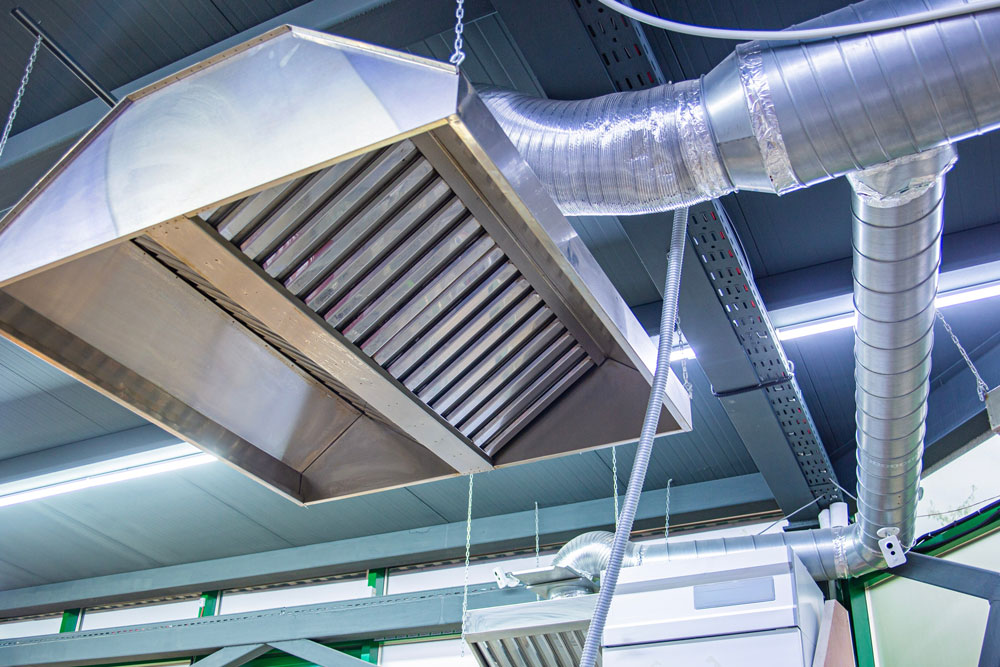
If you run a commercial kitchen, you already know that keeping things clean is not just about appearances. It is about safety, compliance, and the long-term health of your equipment. One of the most overlooked components in any professional kitchen is the exhaust hood. It works hard every single day, pulling grease, smoke, and heat out of the air so your staff can breathe easy and your kitchen can operate without turning into a fire hazard. But when was the last time you really looked at it?
Neglecting your exhaust hood is one of the most common and costly mistakes restaurant owners make. Grease builds up fast in a busy kitchen, and once that buildup reaches a dangerous level, you are no longer just dealing with a maintenance issue. You are dealing with a serious commercial kitchen safety risk. Knowing the exhaust hood warning signs before things get out of hand can save your business from fines, shutdowns, or worse.
Here are the top five signs your kitchen exhaust hood needs cleaning as soon as possible.
1. Visible Grease Buildup on Filters and Surfaces
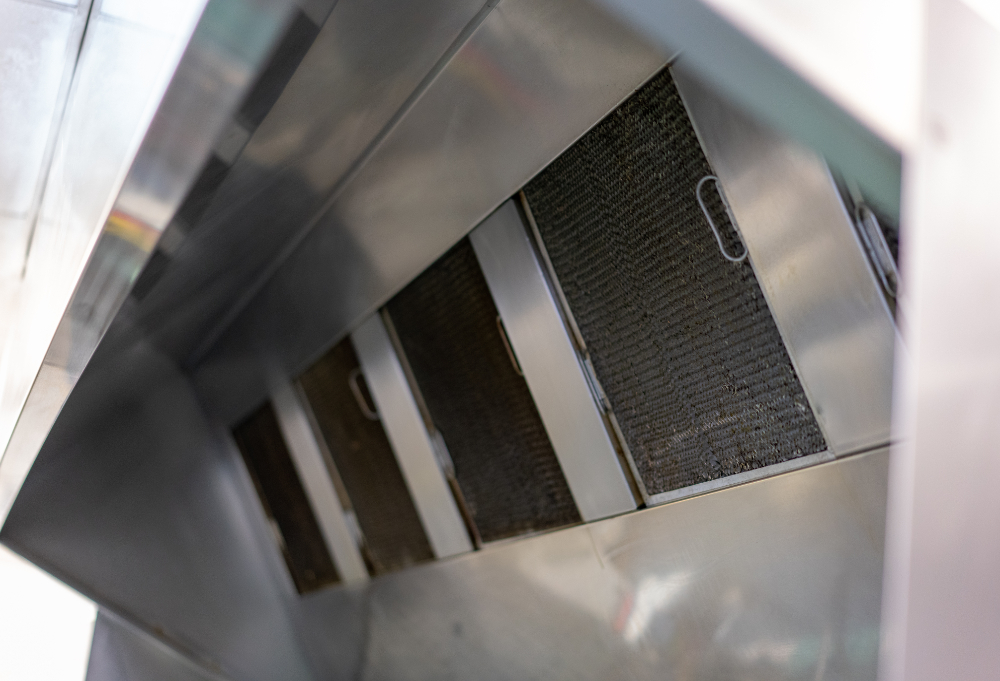
The most obvious of all the exhaust hood warning signs is grease that you can actually see. If you look up at your hood and notice a thick, yellowish or brownish coating on the filters, the interior walls, or around the edges of the canopy, that is a clear indication that cleaning is overdue.
Grease filters are designed to trap airborne grease particles before they enter the ductwork. When those filters become completely saturated, they stop doing their job effectively. At that point, grease begins to travel deeper into the exhaust system, coating the ductwork and fan components. This creates a compounding problem that gets more expensive and more dangerous the longer it is ignored.
In terms of commercial kitchen safety, saturated grease filters are one of the leading contributors to kitchen fires. Grease is highly flammable, and all it takes is one spark or a surge of heat from the cooking equipment below to ignite a buildup that has been accumulating for weeks or months. If you can visibly see grease dripping, pooling, or forming a crust on any part of your hood system, stop what you are doing and schedule a cleaning immediately.
Restaurant cleanliness standards also demand that visible grease not be present in food preparation areas. Health inspectors take this seriously, and a greasy hood can result in violations that damage your reputation and your bottom line.
2. Reduced Airflow and Poor Ventilation Performance
A well-functioning exhaust hood pulls air efficiently, removing heat, smoke, steam, and cooking odors from the kitchen environment. When your hood starts to struggle with this basic task, it is telling you something important.
If your kitchen staff notices that the space feels hotter than usual, that smoke lingers longer after cooking, or that odors are not clearing out as quickly as they should, reduced airflow is likely the culprit. This happens when grease and debris clog the filters and ductwork to the point where air simply cannot move through freely.
Poor ventilation is more than a comfort issue. It is a commercial kitchen safety concern that affects your staff directly. Working in a hot, poorly ventilated kitchen leads to fatigue, discomfort, and in extreme cases, heat-related illness. It also affects the quality of your food, since lingering smoke and steam can alter the flavors and presentation of dishes coming out of the kitchen.
From a restaurant cleanliness standpoint, inadequate ventilation allows grease-laden air to settle on surfaces throughout the kitchen. Countertops, equipment, and even food storage areas can become contaminated when the hood is not doing its job. Reduced airflow is one of the most telling exhaust hood warning signs, and it should never be brushed aside as a minor inconvenience.
3. Unusual Noises Coming From the Hood System
Your exhaust hood and its fan motor have a baseline sound that your kitchen staff hears every day. When that sound changes, it is worth paying attention. Grinding, rattling, banging, or an unusually loud hum coming from the hood unit can indicate mechanical problems that are often linked to excessive grease buildup.
When grease accumulates on the fan blades, it adds weight and creates an imbalance. This forces the motor to work harder to maintain the same level of airflow, which leads to increased noise and, over time, premature motor failure. A fan that is struggling to spin properly due to grease accumulation can overheat and become a fire source in its own right.
Catching this early is critical for both commercial kitchen safety and cost management. Replacing a fan motor or a damaged exhaust system is significantly more expensive than routine cleaning. If your team starts reporting strange sounds from the hood, do not wait for the problem to escalate. Have the system inspected and cleaned right away.
4. Smoke Is Not Being Captured Effectively
Under normal operating conditions, your exhaust hood should capture smoke almost immediately as it rises from your cooking equipment. If you are noticing that smoke is drifting out from the sides of the hood, spreading across the ceiling, or filling the kitchen before eventually being drawn in, your system is no longer capturing contaminants the way it should.
This is one of the more visible exhaust hood warning signs and one of the most serious from a restaurant cleanliness perspective. Smoke that is not properly captured deposits residue on walls, ceilings, equipment, and any exposed food surfaces. Over time, this creates a grimy, odor-saturated kitchen environment that is difficult to remediate and that health inspectors will flag without hesitation.
From a commercial kitchen safety standpoint, poor smoke capture also means that combustion byproducts are entering the breathing space of your staff. This includes carbon monoxide and other harmful compounds that accumulate when ventilation is insufficient. A hood that is no longer capturing smoke effectively is a hood that needs immediate attention, and cleaning is almost always the first step toward restoring proper function.
5. A Strong, Persistent Grease Odor in the Kitchen
Every kitchen has a cooking smell. That is expected and unavoidable. What is not normal is a heavy, rancid, or burning grease odor that persists even when the kitchen is not actively cooking. If your staff or customers are noticing an unpleasant smell that seems to be coming from the hood area, that odor is a direct signal that grease has built up to a level where it is beginning to break down or smolder.
Old grease that has been sitting in a hood system for too long starts to oxidize and degrade. This produces a stale, rancid smell that no amount of surface cleaning will eliminate. The only solution is a thorough cleaning of the entire exhaust system, including the filters, the interior plenum, the ductwork, and the fan unit.
This is also one of the exhaust hood warning signs that customers can sometimes detect from the dining room. Nothing damages restaurant cleanliness and customer perception faster than walking into a space that smells like old grease. Your reputation depends on a clean, fresh-smelling environment, and a neglected hood system can undermine all of the effort you put into front-of-house presentation.
Strong odors are also associated with grease that is close to its ignition point. When old grease begins to smoke at lower temperatures than fresh grease, commercial kitchen safety is already being compromised. Do not let a persistent smell go uninvestigated.
Conclusion
Your exhaust hood is one of the hardest-working pieces of equipment in your kitchen, and it deserves regular attention. Visible grease, poor airflow, unusual noises, ineffective smoke capture, and persistent odors are all clear signals that cleaning cannot wait. Staying ahead of these exhaust hood warning signs protects your staff, preserves your equipment, and upholds the commercial kitchen safety and restaurant cleanliness standards your business depends on. Schedule regular cleanings, train your team to recognize the signs, and never treat hood maintenance as optional.
Need a Facility Services Provider Near You?
We’re here to help protect what matters most to you—your people, your information, and your environment. At The Foster Family Companies, our team is passionate about delivering reliable fire and life safety systems, secure document destruction, and spotless janitorial services tailored to your unique needs. Whether you’re looking to safeguard your facility, maintain confidentiality, or ensure a clean and healthy workplace, we’ve got the experience and commitment to get the job done right. Reach out to us today and let’s build a safer, cleaner future together.
Running a commercial kitchen means operating under constant scrutiny. Health departments, fire marshals, and insurance companies all have a stake in how clean and safe your cooking environment is. Among the many tasks that fall under a kitchen inspection checklist, exhaust hood cleaning is one of the most critical and most commonly overlooked. If your exhaust system is not properly maintained, you risk failed inspections, costly fines, and even the threat of fire.
Understanding how compliance cleaning connects to your exhaust hood services is the first step toward keeping your business protected.
Why Exhaust Hood Cleaning Is Central to Commercial Kitchen Compliance
The exhaust hood above your cooking equipment does more than remove smoke and odors. It captures grease-laden vapors that, over time, coat the interior surfaces of the hood, filters, ducts, and fan. This grease buildup is highly flammable, and it is the leading cause of commercial kitchen fires in the United States. Health and fire code regulations require that exhaust systems be cleaned at intervals based on the volume and type of cooking your kitchen performs.
A kitchen inspection checklist used by local fire marshals and health departments will almost always include a section dedicated to the exhaust system. Inspectors look for visible grease accumulation, the condition of filters, access panels, and whether the system has been serviced by a certified professional. Kitchens that cook heavily, such as those using solid fuels like wood or charcoal, may be required to schedule exhaust hood services as frequently as every month. High-volume operations using gas or electric equipment might require quarterly cleanings. Lower-volume establishments may qualify for semi-annual or annual service.
Falling behind on this schedule is not just a cleanliness issue. It is a legal and financial liability. Inspectors are trained to spot neglect, and a grease-caked exhaust system will trigger immediate action, including re-inspection fees, mandatory shutdowns, and potential increases in your insurance premiums.
What Inspectors Look for During an Exhaust System Evaluation
When an inspector arrives at your facility, they are not just taking a quick glance at your kitchen. They are conducting a detailed review of every component that could contribute to a fire or health hazard. The exhaust hood evaluation is one of the most technical parts of this process, and it involves more than checking if the hood looks clean from the outside.
Inspectors will check the filters for grease saturation. Filters that are dripping with grease or visibly clogged are a red flag. They will look inside the plenum area, the space between the filters and the duct, for signs of heavy buildup. They will also examine the ductwork itself, either directly or through documentation from your last professional cleaning. Access panels must be present and properly secured so that inspectors and cleaning crews can reach the interior of the system.
One important thing to note is that inspectors may ask for your cleaning logs. Reputable exhaust hood services providers always leave behind a detailed service report after each visit. This report documents what was cleaned, the condition of the system before and after service, and a recommendation for the next cleaning date. Keeping these records organized is a key part of your kitchen inspection checklist and demonstrates to any inspector that you take compliance cleaning seriously.
Some jurisdictions also require that cleaning companies post an inspection sticker on the hood itself, showing the date of the last service and the name of the company that performed the work. If your sticker is outdated, that alone can trigger a failed inspection.
The Connection Between Compliance Cleaning and Fire Safety Codes
The National Fire Protection Association, specifically NFPA 96, sets the standard for ventilation control and fire protection in commercial cooking operations. Most local fire codes are based on or directly reference NFPA 96, making it the backbone of what inspectors enforce when they evaluate your exhaust system.
Under these guidelines, compliance cleaning is not a suggestion. It is a requirement with enforceable penalties. The code specifies not only how frequently cleaning must occur but also what methods are acceptable, what protective measures must be in place during cleaning, and what documentation must be maintained. Cleaning must be thorough enough to remove grease from all surfaces, including the hard-to-reach areas deep inside the ducts and at the rooftop exhaust fan.
Exhaust hood services that follow NFPA 96 standards use high-pressure hot water systems and specialized degreasers to break down and remove grease completely. Partial cleaning, which sometimes happens when unqualified contractors or in-house staff attempt the job, does not satisfy code requirements and can leave dangerous accumulations in areas that are not visible during a surface inspection. If a fire occurs and investigators find that cleaning was incomplete or improperly documented, your insurance claim could be denied and your business could face serious legal consequences.
Understanding this connection between compliance cleaning and fire safety codes is essential for any kitchen operator who wants to stay protected. It is not just about passing an inspection. It is about ensuring that your staff, your customers, and your property are safe every single day.
How to Build Exhaust Hood Cleaning Into Your Inspection Preparation Routine
Preparing for an inspection should not be a last-minute scramble. The most successful commercial kitchens treat compliance as an ongoing process rather than a periodic event. Building exhaust hood services into your regular maintenance calendar is the most reliable way to stay ahead of inspections and avoid surprises.
Start by identifying the correct cleaning frequency for your operation. Consult your local fire code or contact your fire marshal’s office if you are unsure. Then schedule your exhaust hood services with a certified cleaning company well in advance, leaving enough time to address any follow-up work if the technician identifies damage or repairs that need attention.
Create a dedicated file for all your compliance cleaning documentation. This should include every service report from your cleaning provider, a copy of the inspection sticker or equivalent certificate, and any correspondence with your fire marshal or health department regarding your exhaust system. When an inspector arrives, being able to produce this file quickly shows professionalism and significantly reduces the likelihood of a failed inspection.
Your kitchen inspection checklist should also include a pre-inspection walkthrough that you or your manager conducts in the days before an official visit. Check the filters for visible grease and replace or clean them if needed. Look at the outside of the hood for drips or residue. Make sure access panels are properly secured. Confirm that your service documentation is current and on file. These small steps can make a meaningful difference in how an inspection goes.
It also helps to build a relationship with your exhaust hood services provider. A company that knows your kitchen, your equipment, and your cooking volume can offer more accurate scheduling recommendations and flag potential compliance issues before they become violations.
Conclusion
Exhaust hood cleaning sits at the intersection of fire safety, health compliance, and business continuity. Every item on a kitchen inspection checklist matters, but few carry the weight that a properly maintained exhaust system does. Compliance cleaning is not simply a box to check; it is a commitment to the safety of everyone who walks through your doors. By partnering with qualified exhaust hood services professionals and keeping thorough documentation, you give your business the strongest possible foundation for passing inspections and operating with confidence. Stay proactive, stay documented, and let your clean kitchen tell the story of a business that takes its responsibilities seriously.
Need a Facility Services Provider Near You?
We’re here to help protect what matters most to you—your people, your information, and your environment. At The Foster Family Companies, our team is passionate about delivering reliable fire and life safety systems, secure document destruction, and spotless janitorial services tailored to your unique needs. Whether you’re looking to safeguard your facility, maintain confidentiality, or ensure a clean and healthy workplace, we’ve got the experience and commitment to get the job done right. Reach out to us today and let’s build a safer, cleaner future together.
Drive through any neighborhood in Garden City, Liberal, Dodge City, or Ulysses and you will see it instantly. Some homes look bright, fresh, and well cared for. Others appear dull, streaked, and weathered, even if the structure itself is in great condition. The difference is often not a full remodel or expensive landscaping upgrade. It is something much simpler.
In Southwest Kansas, wind, dust, pollen, and moisture quietly build up on siding, concrete, fences, and roofs. Over time, that buildup steals the vibrancy from your home’s exterior. The good news is that you do not need a major renovation to bring it back to life. Professional pressure washing in Garden City, KS can completely transform how your property looks and feels, often in just a single day.
If you are a homeowner in the Oklahoma or Texas Panhandle region looking to increase your home’s curb appeal, understanding the impact of residential exterior cleaning may be the first step toward a dramatic and lasting improvement.
The Before and After Effect That Changes Everything
One of the most powerful aspects of professional pressure washing services in Garden City, KS, is the visual transformation. Before cleaning, siding can appear faded or stained. Driveways may show dark streaks from oil or tire marks. Patios and walkways often develop a dull gray film caused by dust and organic growth.
After a professional cleaning, colors look sharper. Whites look brighter. Brick regains its natural richness. Concrete appears cleaner and more uniform. Many homeowners are genuinely surprised at how much cleaner and newer their home looks without replacing a single board or repainting a wall.
In Dodge City, a homeowner recently scheduled residential exterior cleaning before listing their property for sale. The siding had accumulated years of wind-driven dust and mildew staining. After professional pressure washing, the home’s exterior looked freshly updated, and the property photographs reflected a brighter, more inviting appearance. The realtor noted increased interest during showings simply because the home presented better from the street.
This kind of transformation is not unusual. It is the result of removing layers of grime that slowly build up and mask your home’s true condition.
How Pressure Washing Helps Increase Property Value
Curb appeal directly influences perceived property value. Whether you are planning to sell soon or simply want to protect your investment, maintaining a clean exterior plays a critical role.
When potential buyers pull up to a home, they form an impression within seconds. A clean, well-maintained exterior signals care and attention. It suggests that the home has been properly maintained overall. Conversely, stained siding or dark streaks on concrete can create doubt, even if the interior is immaculate.
Professional pressure washing in Garden City, KS, is one of the most cost-effective ways to increase your home’s curb appeal before putting it on the market. Compared to repainting or replacing siding, pressure washing delivers a strong return on investment at a fraction of the cost.
In competitive markets across Liberal and Ulysses, small improvements can influence final sale prices. A freshly cleaned exterior enhances listing photos, attracts more buyers, and supports stronger offers. Even if you are not planning to sell, preserving your home’s appearance protects long-term value and prevents premature surface deterioration.
Residential Exterior Cleaning Beyond Just Siding
Many homeowners think of pressure washing as something limited to siding. In reality, residential exterior cleaning covers much more.
Driveways and sidewalks in Southwest Kansas endure heavy dust accumulation and vehicle traffic. Over time, oil stains and embedded grime create uneven coloration. Professional cleaning restores a uniform, bright surface that complements the home’s overall appearance.
Decks and fences also benefit from proper washing. Wood surfaces can fade and collect mildew, especially after rainy periods. A professional cleaning removes buildup and prepares surfaces for sealing or staining, extending their lifespan.
Even brick and stucco exteriors respond dramatically to professional treatment. Soft washing techniques ensure that delicate materials are cleaned effectively without damage. The result is a refreshed surface that looks closer to its original condition.
By addressing multiple exterior elements in one service appointment, homeowners can achieve a cohesive, polished look that dramatically enhances overall curb appeal.
Why Professional Equipment Makes a Difference
Some homeowners consider renting a pressure washer for a weekend project. While that may seem like a cost-saving idea, the difference between consumer-grade equipment and professional systems is significant.
Professional pressure washing services in Garden City, KS, use high-performance equipment designed to remove tough buildup safely and efficiently. Trained technicians understand how to adjust pressure levels and cleaning solutions based on surface type. This prevents damage while delivering deeper, longer-lasting results.
Improper pressure or technique can strip paint, damage siding, or etch concrete. Professionals know when to use high pressure and when to use soft washing methods that rely on specialized cleaning agents instead of brute force.
In Garden City and the surrounding areas, wind-driven dust and organic growth require more than surface rinsing. Professional-grade equipment ensures that contaminants are fully removed rather than simply pushed around.
The expertise behind the equipment matters just as much as the tools themselves. Trained crews can identify problem areas, treat stubborn stains, and complete the job efficiently without putting your property at risk.
Maintaining That Fresh Look Year-Round
Pressure washing is not just about dramatic before-and-after photos. It is also about ongoing maintenance. Southwest Kansas weather brings constant exposure to dust, storms, and fluctuating temperatures. Without regular cleaning, buildup returns and gradually impacts surface integrity.
Scheduling professional pressure washing in Garden City, KS, annually or biannually helps prevent long-term damage. Removing contaminants early reduces the risk of staining and surface degradation. It also keeps your home consistently looking its best.
For homeowners in Liberal, Dodge City, and Ulysses, maintaining curb appeal is not just about aesthetics. It reflects pride of ownership and contributes to neighborhood value. Clean exteriors create a ripple effect, encouraging others to maintain their properties as well.
Routine residential exterior cleaning keeps your home prepared for unexpected events such as appraisals, showings, or family gatherings. Instead of scrambling to address years of buildup, you maintain a fresh and inviting appearance year-round.
A Smart Investment in Your Home’s First Impression
Your home’s exterior is the first thing guests, neighbors, and potential buyers see. It frames every impression that follows. When dirt, stains, and mildew obscure its true character, the impact is immediate and often underestimated.
Professional pressure washing services in Garden City, KS, offer homeowners in Southwest Kansas a practical, affordable way to increase your home’s curb appeal without major renovations. The transformation is visible, measurable, and often completed in a single day.
From brighter siding and cleaner concrete to restored decks and fences, the results speak for themselves. Whether you are preparing to sell or simply want to take pride in your property, residential exterior cleaning delivers a powerful return on investment.
In communities across Garden City, Liberal, Dodge City, Ulysses, and the surrounding Panhandle regions, professional pressure washing continues to be one of the most effective ways to protect and enhance home value. When your home looks its best from the street, everything else feels stronger, cleaner, and more welcoming.
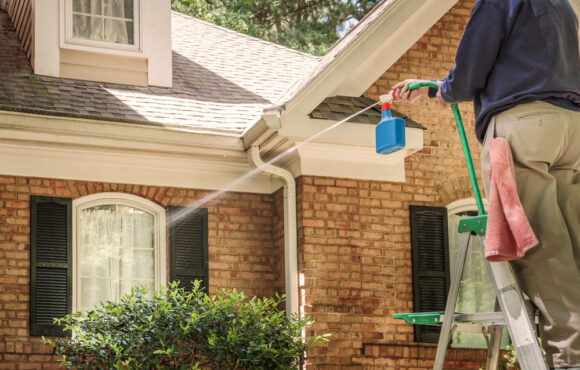
Every spring in Garden City, the same thing happens. The wind settles, the dust from Southwest Kansas storms starts clinging to siding, and homeowners look at their driveways and think, I could probably handle that myself. After all, how hard can it be to rent a machine, spray the grime away, and save a little money?
For DIY enthusiasts and budget-conscious residents, DIY pressure washing sounds like a smart weekend project. The appeal is obvious. You control the schedule. You avoid labor costs. You feel accomplished when the job is done. But when you break down the true time investment, equipment expenses, potential risks, and final results, the story becomes more complicated.
If you are weighing professional pressure washing vs DIY in Garden City, KS, this guide will walk you through the real numbers, the hidden risks, and what actually delivers long-term value.
The Upfront Cost: Rental Fees vs Service Pricing
At first glance, DIY pressure washing appears cheaper. A local rental might cost between 75 and 125 dollars per day for a standard pressure washer. Add cleaning solutions, fuel, safety gear, and your time, and you may still feel like you are ahead financially.
However, most rental machines are consumer-grade or mid-tier units. They often lack the power, temperature control, and specialized nozzles that professionals use. That limitation can mean longer cleaning times and inconsistent results.
When comparing DIY versus professional pressure washing cost in Garden City, KS, you also need to factor in repeat attempts. Many homeowners rent equipment more than once because the first pass did not fully remove mildew or stubborn stains. Others discover that their siding requires soft washing rather than high pressure, which most rental units are not designed to deliver safely.
Professional services may cost more upfront, but they include commercial-grade equipment, industrial-strength cleaning solutions, and trained technicians. Companies like Grime Busters use high-performance systems engineered for residential, commercial, and industrial properties across Southwest Kansas. The difference in equipment alone significantly impacts efficiency and final results.
Time Investment: Your Weekend vs A Trained Crew
DIY pressure washing often consumes far more time than anticipated. What looks like a two-hour project can stretch into an entire weekend. Setting up equipment, moving outdoor furniture, pre-treating surfaces, washing, rinsing, and cleanup all add up quickly.
For a typical Garden City home, a first-time DIYer may spend six to ten hours completing a full exterior wash. That estimate does not include the learning curve involved in adjusting pressure settings or switching spray tips.
By contrast, a trained professional crew can complete the same job in a fraction of the time. Grime Busters technicians are fully trained and experienced in residential pressure washing. They arrive prepared, assess the property, apply the correct treatment method, and work efficiently without compromising safety or quality.
Time is not just convenience. It has value. If you factor in what your weekend is worth, plus the physical effort involved, professional service often becomes more appealing.
The Hidden Risks of DIY Pressure Washing
One of the most overlooked factors in this comparison is risk. DIY pressure washing risks include property damage, personal injury, and compliance issues for commercial properties.
High-pressure water can strip paint, gouge wood, crack vinyl siding, and etch concrete if used improperly. Even small mistakes can result in expensive repairs. For example, using excessive pressure on older siding in Garden City’s wind-exposed neighborhoods can force water behind panels, leading to mold growth or insulation damage.
Injuries are also common. Pressure washers can cause serious lacerations if the spray contacts skin. Slippery surfaces increase fall risk, especially when cleaning second-story areas or rooflines.
Commercial property owners face additional risks. Kitchen vent hood cleaning and grease removal require compliance with fire safety standards. DIY attempts in commercial settings can result in failed inspections or insurance complications. Grime Busters specializes in commercial vent hood cleaning throughout Southwest Kansas, delivering inspection-ready results that meet regulatory standards.
The difference between DIY pressure washing and professional service is often most visible when something goes wrong. Professional crews are insured, trained, and equipped to handle challenging surfaces safely.
Results: Surface-Level Clean vs Long-Term Protection
DIY results can be satisfying at first glance. The driveway looks brighter. The siding appears lighter. However, without proper chemical treatment, organic growth often returns quickly.
Mildew, algae, and mold require more than just water pressure. Soft washing techniques use specialized cleaning solutions that break down biological growth at its source. Without this step, spores remain embedded and regrow within months.
Professional pressure washing vs DIY becomes especially noticeable in long-term results. Grime Busters does not rely on guesswork or low-grade tools. Their team evaluates the surface type and applies the correct method, whether that involves high-pressure cleaning for concrete or soft washing for siding and delicate finishes.
A homeowner in Dodge City recently attempted DIY pressure washing on their stucco exterior. While surface dirt was removed, darker mildew stains remained. After hiring Grime Busters, the proper treatment eliminated the growth completely, and the surface remained clean well beyond the typical regrowth cycle.
Another case involved a commercial property in Liberal where repeated DIY attempts failed to remove heavy grease buildup from an exterior wall. Professional-grade equipment and targeted degreasers resolved the issue quickly and safely.
The takeaway is simple. Surface-level cleaning may look adequate in the short term, but professional service delivers deeper, longer-lasting results.
Insurance, Liability, and Peace of Mind
Many DIY enthusiasts overlook the value of insurance coverage and professional accountability. When you hire a fully insured company like Grime Busters, you are protected against potential damage or accidents.
If a rental pressure washer damages siding or cracks a window, the repair cost falls on you. If a professional crew encounters an issue, their insurance and expertise address it properly.
This peace of mind extends to commercial clients across Garden City, Ulysses, and the surrounding Oklahoma and Texas Panhandles. Restaurants and industrial facilities cannot afford non-compliance or incomplete cleaning. Professional service ensures standards are met consistently.
Grime Busters serves residential, commercial, and industrial properties with a focus on precision and reliability. Their inspection-ready results are particularly critical for commercial kitchen hood systems, where fire codes and safety regulations demand thorough cleaning.
Making the Smart Financial Choice in Garden City
When evaluating DIY versus professional pressure washing cost in Garden City, KS, the lowest initial price does not always represent the best value. Consider rental fees, cleaning products, potential repeat attempts, your time investment, and the risk of property damage.
DIY pressure washing can work for small, low-risk projects if you are confident in your skills and have the proper equipment. However, for full exterior home cleaning, commercial vent hood compliance, or heavily soiled surfaces, professional service offers clear advantages.
Grime Busters delivers expert power washing throughout Southwest Kansas, including Garden City, Dodge City, Liberal, and nearby communities. Their trained and insured team uses high-performance equipment designed for tough jobs, eliminating guesswork and delivering consistent, high-quality results.
In the end, the real cost is not just measured in dollars. It is measured in time, safety, durability, and long-term protection for your property. When you weigh all the factors honestly, professional pressure washing often proves to be the smarter investment for homeowners and businesses alike.