
Preparing Your Business for Inspections: The Role of Exhaust Hood Cleaning
Running a commercial kitchen means operating under constant scrutiny. Health departments, fire marshals, and insurance companies all have a stake in how clean and safe your cooking environment is. Among the many tasks that fall under a kitchen inspection checklist, exhaust hood cleaning is one of the most critical and most commonly overlooked. If your exhaust system is not properly maintained, you risk failed inspections, costly fines, and even the threat of fire.
Understanding how compliance cleaning connects to your exhaust hood services is the first step toward keeping your business protected.
Why Exhaust Hood Cleaning Is Central to Commercial Kitchen Compliance
The exhaust hood above your cooking equipment does more than remove smoke and odors. It captures grease-laden vapors that, over time, coat the interior surfaces of the hood, filters, ducts, and fan. This grease buildup is highly flammable, and it is the leading cause of commercial kitchen fires in the United States. Health and fire code regulations require that exhaust systems be cleaned at intervals based on the volume and type of cooking your kitchen performs.
A kitchen inspection checklist used by local fire marshals and health departments will almost always include a section dedicated to the exhaust system. Inspectors look for visible grease accumulation, the condition of filters, access panels, and whether the system has been serviced by a certified professional. Kitchens that cook heavily, such as those using solid fuels like wood or charcoal, may be required to schedule exhaust hood services as frequently as every month. High-volume operations using gas or electric equipment might require quarterly cleanings. Lower-volume establishments may qualify for semi-annual or annual service.
Falling behind on this schedule is not just a cleanliness issue. It is a legal and financial liability. Inspectors are trained to spot neglect, and a grease-caked exhaust system will trigger immediate action, including re-inspection fees, mandatory shutdowns, and potential increases in your insurance premiums.
What Inspectors Look for During an Exhaust System Evaluation
When an inspector arrives at your facility, they are not just taking a quick glance at your kitchen. They are conducting a detailed review of every component that could contribute to a fire or health hazard. The exhaust hood evaluation is one of the most technical parts of this process, and it involves more than checking if the hood looks clean from the outside.
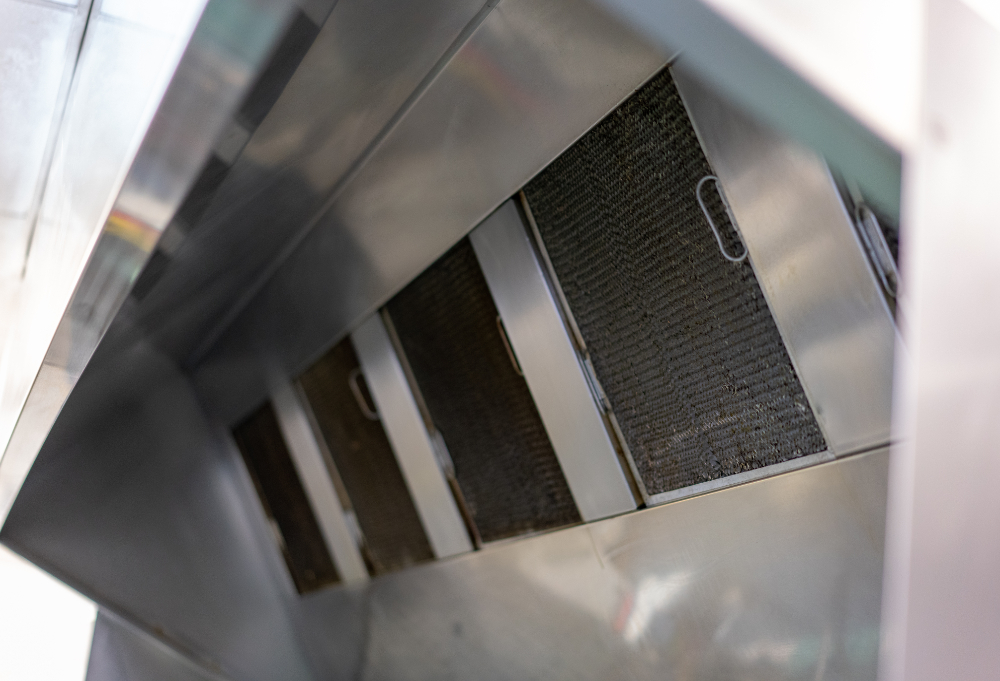
Inspectors will check the filters for grease saturation. Filters that are dripping with grease or visibly clogged are a red flag. They will look inside the plenum area, the space between the filters and the duct, for signs of heavy buildup. They will also examine the ductwork itself, either directly or through documentation from your last professional cleaning. Access panels must be present and properly secured so that inspectors and cleaning crews can reach the interior of the system.
One important thing to note is that inspectors may ask for your cleaning logs. Reputable exhaust hood services providers always leave behind a detailed service report after each visit. This report documents what was cleaned, the condition of the system before and after service, and a recommendation for the next cleaning date. Keeping these records organized is a key part of your kitchen inspection checklist and demonstrates to any inspector that you take compliance cleaning seriously.
Some jurisdictions also require that cleaning companies post an inspection sticker on the hood itself, showing the date of the last service and the name of the company that performed the work. If your sticker is outdated, that alone can trigger a failed inspection.
The Connection Between Compliance Cleaning and Fire Safety Codes
The National Fire Protection Association, specifically NFPA 96, sets the standard for ventilation control and fire protection in commercial cooking operations. Most local fire codes are based on or directly reference NFPA 96, making it the backbone of what inspectors enforce when they evaluate your exhaust system.
Under these guidelines, compliance cleaning is not a suggestion. It is a requirement with enforceable penalties. The code specifies not only how frequently cleaning must occur but also what methods are acceptable, what protective measures must be in place during cleaning, and what documentation must be maintained. Cleaning must be thorough enough to remove grease from all surfaces, including the hard-to-reach areas deep inside the ducts and at the rooftop exhaust fan.
Exhaust hood services that follow NFPA 96 standards use high-pressure hot water systems and specialized degreasers to break down and remove grease completely. Partial cleaning, which sometimes happens when unqualified contractors or in-house staff attempt the job, does not satisfy code requirements and can leave dangerous accumulations in areas that are not visible during a surface inspection. If a fire occurs and investigators find that cleaning was incomplete or improperly documented, your insurance claim could be denied and your business could face serious legal consequences.
Understanding this connection between compliance cleaning and fire safety codes is essential for any kitchen operator who wants to stay protected. It is not just about passing an inspection. It is about ensuring that your staff, your customers, and your property are safe every single day.
How to Build Exhaust Hood Cleaning Into Your Inspection Preparation Routine
Preparing for an inspection should not be a last-minute scramble. The most successful commercial kitchens treat compliance as an ongoing process rather than a periodic event. Building exhaust hood services into your regular maintenance calendar is the most reliable way to stay ahead of inspections and avoid surprises.
Start by identifying the correct cleaning frequency for your operation. Consult your local fire code or contact your fire marshal’s office if you are unsure. Then schedule your exhaust hood services with a certified cleaning company well in advance, leaving enough time to address any follow-up work if the technician identifies damage or repairs that need attention.
Create a dedicated file for all your compliance cleaning documentation. This should include every service report from your cleaning provider, a copy of the inspection sticker or equivalent certificate, and any correspondence with your fire marshal or health department regarding your exhaust system. When an inspector arrives, being able to produce this file quickly shows professionalism and significantly reduces the likelihood of a failed inspection.
Your kitchen inspection checklist should also include a pre-inspection walkthrough that you or your manager conducts in the days before an official visit. Check the filters for visible grease and replace or clean them if needed. Look at the outside of the hood for drips or residue. Make sure access panels are properly secured. Confirm that your service documentation is current and on file. These small steps can make a meaningful difference in how an inspection goes.
It also helps to build a relationship with your exhaust hood services provider. A company that knows your kitchen, your equipment, and your cooking volume can offer more accurate scheduling recommendations and flag potential compliance issues before they become violations.
Conclusion
Exhaust hood cleaning sits at the intersection of fire safety, health compliance, and business continuity. Every item on a kitchen inspection checklist matters, but few carry the weight that a properly maintained exhaust system does. Compliance cleaning is not simply a box to check; it is a commitment to the safety of everyone who walks through your doors. By partnering with qualified exhaust hood services professionals and keeping thorough documentation, you give your business the strongest possible foundation for passing inspections and operating with confidence. Stay proactive, stay documented, and let your clean kitchen tell the story of a business that takes its responsibilities seriously.
Need a Facility Services Provider Near You?
We’re here to help protect what matters most to you—your people, your information, and your environment. At The Foster Family Companies, our team is passionate about delivering reliable fire and life safety systems, secure document destruction, and spotless janitorial services tailored to your unique needs. Whether you’re looking to safeguard your facility, maintain confidentiality, or ensure a clean and healthy workplace, we’ve got the experience and commitment to get the job done right. Reach out to us today and let’s build a safer, cleaner future together.