
Top 5 Signs Your Kitchen Exhaust Hood Needs Cleaning ASAP
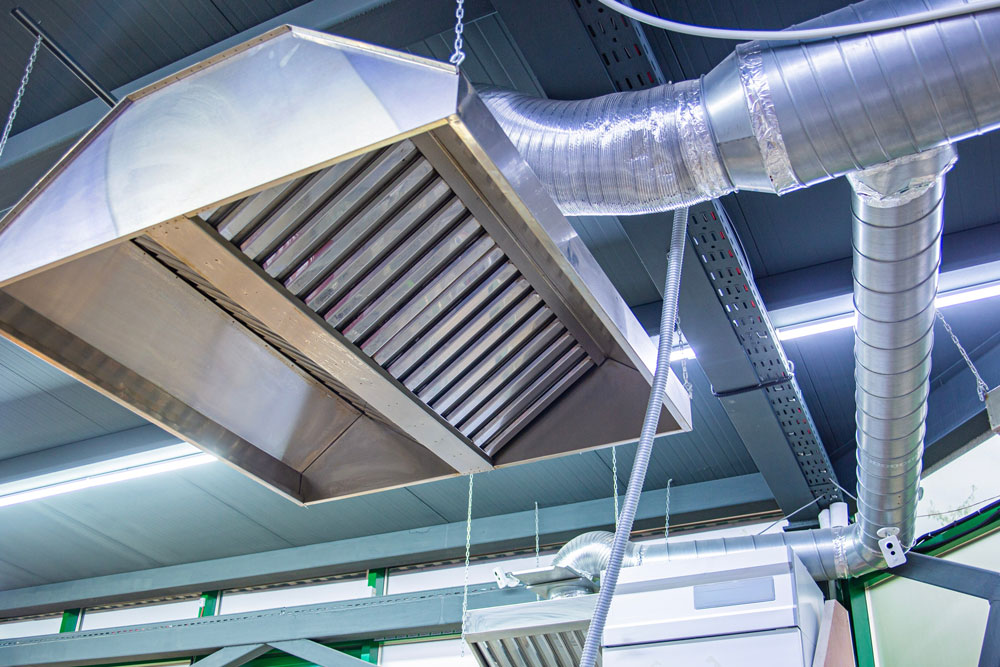
If you run a commercial kitchen, you already know that keeping things clean is not just about appearances. It is about safety, compliance, and the long-term health of your equipment. One of the most overlooked components in any professional kitchen is the exhaust hood. It works hard every single day, pulling grease, smoke, and heat out of the air so your staff can breathe easy and your kitchen can operate without turning into a fire hazard. But when was the last time you really looked at it?
Neglecting your exhaust hood is one of the most common and costly mistakes restaurant owners make. Grease builds up fast in a busy kitchen, and once that buildup reaches a dangerous level, you are no longer just dealing with a maintenance issue. You are dealing with a serious commercial kitchen safety risk. Knowing the exhaust hood warning signs before things get out of hand can save your business from fines, shutdowns, or worse.
Here are the top five signs your kitchen exhaust hood needs cleaning as soon as possible.
1. Visible Grease Buildup on Filters and Surfaces
The most obvious of all the exhaust hood warning signs is grease that you can actually see. If you look up at your hood and notice a thick, yellowish or brownish coating on the filters, the interior walls, or around the edges of the canopy, that is a clear indication that cleaning is overdue.
Grease filters are designed to trap airborne grease particles before they enter the ductwork. When those filters become completely saturated, they stop doing their job effectively. At that point, grease begins to travel deeper into the exhaust system, coating the ductwork and fan components. This creates a compounding problem that gets more expensive and more dangerous the longer it is ignored.
In terms of commercial kitchen safety, saturated grease filters are one of the leading contributors to kitchen fires. Grease is highly flammable, and all it takes is one spark or a surge of heat from the cooking equipment below to ignite a buildup that has been accumulating for weeks or months. If you can visibly see grease dripping, pooling, or forming a crust on any part of your hood system, stop what you are doing and schedule a cleaning immediately.
Restaurant cleanliness standards also demand that visible grease not be present in food preparation areas. Health inspectors take this seriously, and a greasy hood can result in violations that damage your reputation and your bottom line.
2. Reduced Airflow and Poor Ventilation Performance
A well-functioning exhaust hood pulls air efficiently, removing heat, smoke, steam, and cooking odors from the kitchen environment. When your hood starts to struggle with this basic task, it is telling you something important.
If your kitchen staff notices that the space feels hotter than usual, that smoke lingers longer after cooking, or that odors are not clearing out as quickly as they should, reduced airflow is likely the culprit. This happens when grease and debris clog the filters and ductwork to the point where air simply cannot move through freely.
Poor ventilation is more than a comfort issue. It is a commercial kitchen safety concern that affects your staff directly. Working in a hot, poorly ventilated kitchen leads to fatigue, discomfort, and in extreme cases, heat-related illness. It also affects the quality of your food, since lingering smoke and steam can alter the flavors and presentation of dishes coming out of the kitchen.
From a restaurant cleanliness standpoint, inadequate ventilation allows grease-laden air to settle on surfaces throughout the kitchen. Countertops, equipment, and even food storage areas can become contaminated when the hood is not doing its job. Reduced airflow is one of the most telling exhaust hood warning signs, and it should never be brushed aside as a minor inconvenience.
3. Unusual Noises Coming From the Hood System
Your exhaust hood and its fan motor have a baseline sound that your kitchen staff hears every day. When that sound changes, it is worth paying attention. Grinding, rattling, banging, or an unusually loud hum coming from the hood unit can indicate mechanical problems that are often linked to excessive grease buildup.
When grease accumulates on the fan blades, it adds weight and creates an imbalance. This forces the motor to work harder to maintain the same level of airflow, which leads to increased noise and, over time, premature motor failure. A fan that is struggling to spin properly due to grease accumulation can overheat and become a fire source in its own right.
Catching this early is critical for both commercial kitchen safety and cost management. Replacing a fan motor or a damaged exhaust system is significantly more expensive than routine cleaning. If your team starts reporting strange sounds from the hood, do not wait for the problem to escalate. Have the system inspected and cleaned right away.
4. Smoke Is Not Being Captured Effectively
Under normal operating conditions, your exhaust hood should capture smoke almost immediately as it rises from your cooking equipment. If you are noticing that smoke is drifting out from the sides of the hood, spreading across the ceiling, or filling the kitchen before eventually being drawn in, your system is no longer capturing contaminants the way it should.
This is one of the more visible exhaust hood warning signs and one of the most serious from a restaurant cleanliness perspective. Smoke that is not properly captured deposits residue on walls, ceilings, equipment, and any exposed food surfaces. Over time, this creates a grimy, odor-saturated kitchen environment that is difficult to remediate and that health inspectors will flag without hesitation.
From a commercial kitchen safety standpoint, poor smoke capture also means that combustion byproducts are entering the breathing space of your staff. This includes carbon monoxide and other harmful compounds that accumulate when ventilation is insufficient. A hood that is no longer capturing smoke effectively is a hood that needs immediate attention, and cleaning is almost always the first step toward restoring proper function.
5. A Strong, Persistent Grease Odor in the Kitchen
Every kitchen has a cooking smell. That is expected and unavoidable. What is not normal is a heavy, rancid, or burning grease odor that persists even when the kitchen is not actively cooking. If your staff or customers are noticing an unpleasant smell that seems to be coming from the hood area, that odor is a direct signal that grease has built up to a level where it is beginning to break down or smolder.
Old grease that has been sitting in a hood system for too long starts to oxidize and degrade. This produces a stale, rancid smell that no amount of surface cleaning will eliminate. The only solution is a thorough cleaning of the entire exhaust system, including the filters, the interior plenum, the ductwork, and the fan unit.
This is also one of the exhaust hood warning signs that customers can sometimes detect from the dining room. Nothing damages restaurant cleanliness and customer perception faster than walking into a space that smells like old grease. Your reputation depends on a clean, fresh-smelling environment, and a neglected hood system can undermine all of the effort you put into front-of-house presentation.
Strong odors are also associated with grease that is close to its ignition point. When old grease begins to smoke at lower temperatures than fresh grease, commercial kitchen safety is already being compromised. Do not let a persistent smell go uninvestigated.
Conclusion
Your exhaust hood is one of the hardest-working pieces of equipment in your kitchen, and it deserves regular attention. Visible grease, poor airflow, unusual noises, ineffective smoke capture, and persistent odors are all clear signals that cleaning cannot wait. Staying ahead of these exhaust hood warning signs protects your staff, preserves your equipment, and upholds the commercial kitchen safety and restaurant cleanliness standards your business depends on. Schedule regular cleanings, train your team to recognize the signs, and never treat hood maintenance as optional.
Need a Facility Services Provider Near You?
We’re here to help protect what matters most to you—your people, your information, and your environment. At The Foster Family Companies, our team is passionate about delivering reliable fire and life safety systems, secure document destruction, and spotless janitorial services tailored to your unique needs. Whether you’re looking to safeguard your facility, maintain confidentiality, or ensure a clean and healthy workplace, we’ve got the experience and commitment to get the job done right. Reach out to us today and let’s build a safer, cleaner future together.